
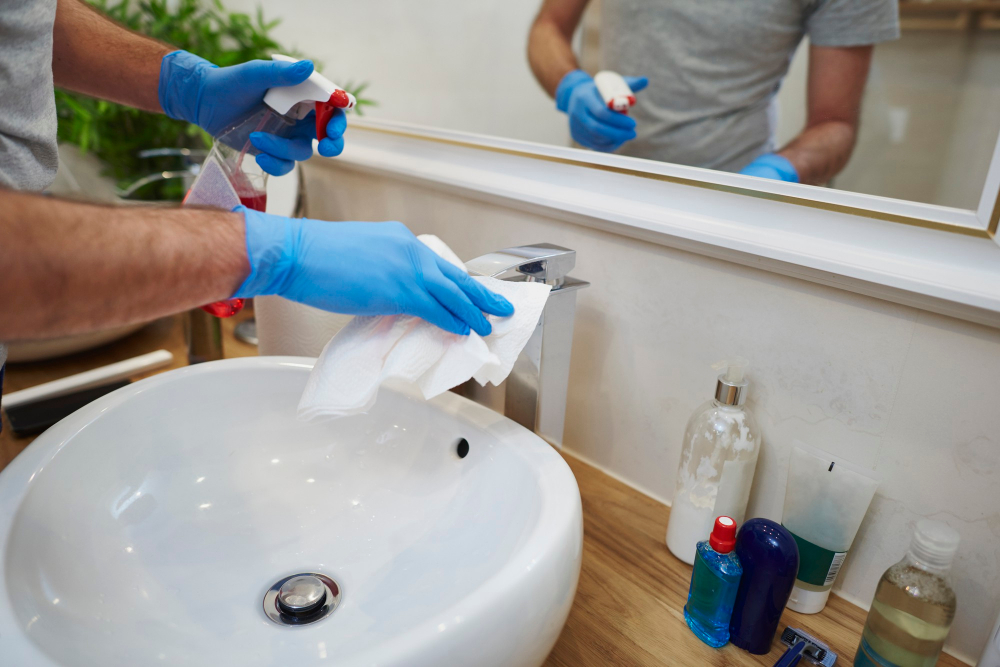
A bathroom may look tidy on the surface, but hidden dirt, bacteria, soap scum, and hard water stains often build up in areas people ignore during regular cleaning. Over time, moisture and poor airflow can also cause mildew growth, odors, and discoloration around tiles and fixtures. That is why every homeowner should deep-clean the bathroom regularly instead of relying only on quick weekly wipe-downs.
Professional cleaners follow a system when they deep clean a bathroom. They focus on sanitizing surfaces, removing buildup, and restoring freshness from top to bottom. With the right tools, proper cleaning solution ratios, and a step-by-step process, anyone can achieve professional-level results at home.
| This guide explains how to deep clean a bathroom using simple methods, expert cleaning habits, and easy-to-follow techniques. It also shares practical advice based on real cleaning experience to help homeowners save time while keeping the bathroom hygienic and fresh. |
What Is a Bathroom Deep Clean?
A standard bathroom cleaning usually involves wiping the sink, rinsing the shower, and mopping the floor. A deep clean goes much further. It targets hidden dirt, bacteria, mold, soap scum, and mineral deposits that collect over time.
During a deep clean, every part of the bathroom receives attention, including:
- Shower walls
- Grout lines
- Behind the toilet
- Exhaust systems
- Sink drains
- Light fixtures
- Storage cabinets
A proper deep clean improves hygiene, air quality, and the overall appearance of the bathroom. It also helps extend the life of tiles, caulk, faucets, and flooring.
Bathroom Deep Cleaning Supplies Checklist
Before starting the deep clean process, gathering the right supplies makes the job easier and more effective.
Essential Cleaning Tools
Professional cleaners often use:
- Microfiber cloths
- Mop and bucket
- Scrub brushes
- Toothbrushes for corners
- Rubber gloves
- Spray bottles
- Sponges
Using quality scrub brushes helps remove dirt from tile lines, corners, and around fixtures without damaging surfaces.
Recommended Cleaning Products
A bathroom deep clean usually requires:
- Disinfectant spray
- Glass cleaner
- Baking soda
- White vinegar
- Grout cleaner
- Mold remover
- Floor cleaner
Many professionals prefer natural products because they reduce harsh chemical exposure while still providing effective results.
Step-by-Step Bathroom Deep Clean Checklist
Following a proper system helps homeowners deep clean the bathroom faster and more efficiently.
Step 1: Remove Clutter and Prepare the Bathroom
The first step in every deep clean is removing all unnecessary items. Towels, rugs, toiletries, and trash bins should come out before cleaning begins.
Opening windows and turning on the ventilation fan also improves airflow during cleaning. Good airflow helps reduce moisture and supports mold prevention.
Professionals often begin by spraying cleaning products on tubs, sinks, and tiles before tackling other areas. This allows products time to break down soap scum and grime.
Step 2: Dust Surfaces Before Washing
Dust collects quickly inside a bathroom because moisture traps particles on walls and fixtures.
Before applying water or disinfectants, clean the dust:
- Ceiling corners
- Light fixtures
- Baseboards
- Shelves
- Vent covers
The ventilation fan should also receive attention during a deep clean because dust buildup reduces airflow and increases humidity. Proper exhaust maintenance helps prevent mold and mildew problems.
Step 3: Deep Clean the Shower and Bathtub
The shower area usually requires the most effort during a bathroom deep clean. Soap scum, mildew, shampoo residue, and hard water stains build up quickly on tiles and glass.
Removing Soap Scum and Hard Water Stains
A mixture of vinegar and warm water works well for breaking down soap scum. Professionals spray the mixture on shower walls and allow it to sit for several minutes before scrubbing.
Hard water stains around faucets and shower doors may require stronger mineral-removal products. Gentle tile scrubbing with circular motions helps protect surfaces while removing buildup.
Shower Head Descaling
Mineral deposits inside the shower head reduce water pressure over time. Shower head descaling involves soaking the fixture in vinegar for several hours to dissolve calcium buildup naturally.
This step is often overlooked during regular cleaning, but it is essential during a deep clean.
Step 4: Clean Tiles and Grout Properly
Grout lines absorb moisture and dirt easily. Without regular grout cleaning, mold and discoloration appear between tiles.
Professional cleaners usually:
- Apply grout cleaner
- Let it sit for several minutes
- Scrub using stiff scrub brushes
- Rinse thoroughly
After grout cleaning, many experts recommend grout sealing to protect surfaces from future stains and moisture damage.
Step 5: Disinfect the Toilet Thoroughly
Toilet disinfecting is one of the most important parts of any bathroom deep clean.
Professionals clean:
- The bowl
- Under the rim
- Flush handles
- Toilet seat hinges
- The floor around the toilet
Disinfectants should remain on surfaces for the recommended time to kill bacteria properly. Sanitizing surfaces instead of simply wiping them helps improve overall hygiene. Stubborn toilet stains may require baking soda and vinegar treatments before scrubbing.
Step 6: Deep Clean the Sink and Countertops
Bathroom sinks collect toothpaste residue, soap buildup, and water spots every day.
To deep clean these areas:
- Remove all items from the countertops
- Spray disinfectant
- Scrub faucet bases
- Polish fixtures
- Rinse thoroughly
Fixture polishing restores shine to chrome, stainless steel, and brushed nickel surfaces. Microfiber cloths help create a clean finish without scratches.
Drain unclogging is another essential step. Hair, toothpaste, and soap residue often collect inside bathroom drains over time. Professionals usually remove visible debris first before flushing the drain with hot water and vinegar.
Step 7: Make Mirrors Streak-Free
Dirty mirrors can make an otherwise clean bathroom appear messy.
Professionals achieve a mirror streak-free finish by:
- Using microfiber cloths
- Spraying cleaner lightly
- Wiping in straight lines
- Avoiding excess product
A streak-free mirror reflects more light and instantly improves the appearance of the bathroom.
Step 8: Clean Cabinets and Storage Areas
Storage spaces are often ignored during routine cleaning. During a bathroom deep clean, cabinets should be emptied and wiped thoroughly.
This step allows homeowners to:
- Remove expired products
- Organize toiletries
- Eliminate hidden dust
- Prevent moisture buildup
Clean storage areas also help maintain a more hygienic bathroom environment.
Step 9: Deep Clean the Bathroom Floor
Bathroom floors collect hair, dust, bacteria, and moisture daily.
Professionals begin by vacuuming or sweeping loose debris before mopping. Extra attention should go behind the toilet and around corners.
Using the correct cleaning solution ratios is important because too much product may leave sticky residue behind. Floor grout often needs additional tile scrubbing to remove dark stains and buildup.
Step 10: Handle Mold, Mildew, and Caulk Issues
Moisture makes the bathroom one of the most common places for mold growth.
Mildew removal should happen immediately when black spots appear around:
- Tiles
- Shower corners
- Ceilings
- Window edges
Professionals often recommend replacing damaged caulk during a deep clean. Caulk replacement helps seal gaps where moisture collects and supports long-term mold prevention. Good airflow, regular drying, and proper ventilation fan use also reduce future mold issues.
Pro Tips to Deep Clean a Bathroom Faster
Experienced cleaners follow several strategies that help them deep clean efficiently.
Work From Top to Bottom
Always start with higher surfaces before cleaning floors. Dust and debris naturally fall downward during cleaning.
Let Products Sit
Professional cleaners rarely spray and wipe immediately. Allowing products to rest for several minutes improves results and reduces scrubbing effort.
Use Separate Cloths
Using different cloths for toilets, mirrors, and sinks reduces cross-contamination.
Maintain the Bathroom Daily
A quick daily wipe-down prevents heavy buildup and makes future deep clean sessions easier.
How to Prevent Bathroom Dirt and Odors
Keeping a bathroom fresh requires consistent habits.
Improve Airflow
Running the ventilation fan after showers reduces moisture and prevents mildew growth.
Dry Wet Surfaces
Drying shower walls and glass doors helps reduce soap scum and hard water stains.
Use Gentle Daily Cleaners
Regular maintenance prevents excessive buildup and keeps surfaces sanitary.
Empty Trash Frequently
Small habits make a noticeable difference in overall bathroom freshness.
Eco-Friendly Bathroom Cleaning Tips
Many homeowners now prefer natural cleaning methods for safer indoor air quality.
Popular eco-friendly options include:
- Baking soda
- White vinegar
- Lemon juice
- Hydrogen peroxide
These products work well for grout cleaning, deodorizing, and sanitizing surfaces without harsh fumes. Natural cleaning methods are especially useful in homes with children or pets.
Common Bathroom Cleaning Mistakes
Even experienced homeowners sometimes make mistakes during a deep clean.
Common problems include:
- Using too much cleaner
- Ignoring exhaust maintenance
- Forgetting grout sealing
- Mixing unsafe chemicals
- Skipping the drain unclogging
- Using rough tools on delicate fixtures
Avoiding these mistakes helps protect bathroom surfaces and improve cleaning results.
When to Hire Professional Bathroom Cleaning Services
Sometimes a bathroom requires professional help.
Homeowners may consider hiring professionals when:
- Mold spreads extensively
- Hard water stains become severe
- Grout damage appears
- Odors persist
- Time is limited
Professional services often include industrial-grade equipment and advanced disinfecting methods that restore heavily used bathrooms more effectively.
Final Thoughts
A proper bathroom deep clean involves much more than wiping visible surfaces. It requires attention to hidden grime, bacteria, moisture buildup, and neglected areas throughout the space. By following a professional cleaning system, homeowners can create a cleaner, healthier, and more comfortable environment.
Regular grout cleaning, tile scrubbing, toilet disinfecting, and sanitizing surfaces help maintain hygiene while extending the life of bathroom materials. Tasks like shower head descaling, drain unclogging, fixture polishing, and exhaust maintenance also improve functionality and appearance over time.
Frequently Asked Questions
How often should a bathroom be deep-cleaned?
Most experts recommend a bathroom deep clean every 1 to 2 months to remove bacteria, soap scum, hard water stains, and hidden mold buildup.
What is the best way to remove hard water stains in a bathroom?
Using vinegar-based cleaners and gentle tile scrubbing helps remove hard water stains from sinks, shower glass, faucets, and bathroom tiles effectively.
How can mold and mildew be prevented in a bathroom?
Proper ventilation fan use, regular drying of wet surfaces, and routine mildew removal help support long-term mold prevention in any bathroom.
What tools do professionals use to deep clean a bathroom?
Professional cleaners commonly use scrub brushes, microfiber cloths, grout cleaners, disinfectants, and specialized products for grout cleaning and sanitizing surfaces.
Why does a bathroom still smell after cleaning?
Persistent odors usually come from hidden moisture, clogged drains, mold growth, or poor exhaust maintenance inside the bathroom.