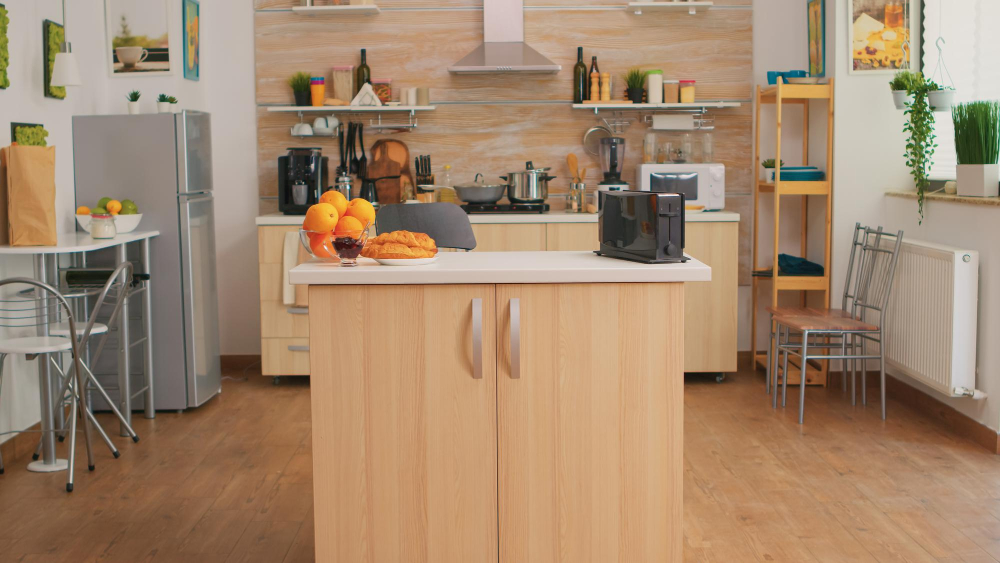
The standard kitchen counter height is a key factor in functional design. The ideal measurement typically ranges between practical dimensions that suit most homes. Designers recommend proper counter height for comfort, while professionals consider ergonomics to ensure usability. Modern kitchen layouts follow these dimensions to improve workflow, whether planning installation, remodeling, or choosing between island height, bar height, adjustable, or custom options.
What Is the Standard Kitchen Counter Height?
A well-planned kitchen starts with understanding the standard kitchen counter height, which plays a major role in comfort, usability, and overall design. Whether someone is building a new kitchen or planning a remodeling project, knowing the right dimensions helps create efficient and functional spaces. Professionals and designers recommend following industry standards while also considering personal needs to achieve the ideal setup.
Standard Height in Inches and Feet
The standard kitchen counter height is typically 36 inches (3 feet) from the floor to the countertop surface. This measurement includes the base cabinets and the countertop thickness. It has been widely adopted because it suits the average height of most homeowners and allows for comfortable daily use.
In most modern kitchens, this height remains consistent across countertops, creating a seamless and balanced look. Experts suggest that sticking to this standard simplifies installation, ensures compatibility with appliances, and supports efficient kitchen layouts.
However, in some cases, the height may slightly vary. For example, countertop thickness or flooring changes can affect the final measurement. Even then, the range usually stays close to 36 inches to maintain usability and consistency.
Why This Height Is Considered Ideal
The 36-inch counter height is considered ideal because it aligns with natural body posture. Professionals consider ergonomics when determining these standards, ensuring that users can work without bending too much or straining their backs.
Designers recommend this height because it:
- Improves comfort during food preparation
- Reduces physical strain
- Supports efficient workflow in kitchen layouts
- Matches standard appliance sizes
For most homeowners, this height offers a balance between function and style. It allows easy access to work surfaces while maintaining a visually appealing design. Although custom options exist, the standard height remains the most practical and widely used choice.
Standard Kitchen Counter Height in Different Areas
While 36 inches is the general standard, different kitchen areas may have slight variations depending on their purpose. Understanding these differences helps in creating a well-organized and functional space.
Countertop Height vs Kitchen Island Height
The kitchen island height often follows the same 36-inch standard, especially in modern designs. However, some islands are built at different heights to serve multiple purposes.
For example:
- Standard island height: 36 inches
- Raised island (bar-style): 42 inches
Designers use a multi-level island if the space allows. This approach separates cooking and dining areas while improving usability. It also adds visual interest to the kitchen.
Bar Height vs Counter Height
Another important comparison is bar height vs counter height. While standard counters are 36 inches, bar height typically measures 42 inches.
Bar height counters are commonly used for:
- Casual dining areas
- Breakfast bars
- Entertaining guests
choosing the right height based on seating and usage. Counter height works well with standard chairs, while bar height requires taller stools. The choice affects both comfort and the overall design.
Bathroom vs Kitchen Counter Height Differences
Although both spaces use countertops, there are differences in height. Bathroom counters are usually 30 to 34 inches, which is lower than kitchen counters.
This difference exists because:
- Bathroom tasks require less force and movement
- Kitchen work involves more preparation and standing time
Professionals suggest following these standards to ensure each space serves its purpose effectively. Using the correct dimensions improves usability and prevents discomfort.
Factors That Affect Kitchen Counter Height
While standards provide a solid foundation, several factors can influence the final height of a kitchen counter.
User Height and Ergonomics
One of the most important factors is the user’s height. Professionals consider ergonomics to ensure the counter height suits the primary user.
For example:
- Taller individuals may prefer slightly higher counters
- Shorter users may find lower counters more comfortable
Adjusting the height if needed to improve comfort. An adjustable or custom counter can be a great solution in households with different users.
Proper ergonomics improves efficiency and reduces strain, making daily tasks easier and more enjoyable.
Type of Kitchen Work (Cooking, Prep, Dining)
Different kitchen activities require different counter heights. For example:
- Food preparation benefits from standard height
- Baking may require slightly lower surfaces
- Dining areas may use higher or lower counters depending on seating
planning the kitchen layout based on how the space will be used. This ensures that each area functions effectively and supports daily routines.
Appliance Integration and Cabinet Size
Appliances and cabinets also affect counter height. Standard appliances like dishwashers and ovens are designed to fit under 36-inch counters.
During installation, professionals ensure that:
- Cabinets align with appliance dimensions
- Countertops sit evenly across surfaces
- The final height remains consistent
Any variation in cabinet size or flooring can affect the overall height. That’s why careful planning is essential during remodeling projects.
Standard Kitchen Counter Dimensions
In addition to height, other dimensions such as depth, width, backsplash height, and overhang measurements play a crucial role in kitchen design. These elements work together to create a functional and visually appealing space.
Counter Depth and Width
The standard counter depth is typically 24 to 25 inches, which allows enough workspace without making it difficult to reach the back of the counter.
For kitchen islands, the depth may range between 30 to 36 inches or more, depending on the design. This extra space provides room for seating, storage, or additional work areas.
Designers recommend maintaining proper proportions to ensure comfort and usability. The right depth improves workflow and makes the kitchen more efficient.
Backsplash Height
Backsplash height is another important consideration. It typically ranges between 4 inches and the full height of the wall, depending on the design.
Modern kitchens often feature full-height backsplashes, which:
- Protect walls from spills
- Enhance visual appeal
- Create a seamless look
choosing a backsplash height that complements the overall design while maintaining practicality.
Overhang Measurements
Overhang refers to the portion of the countertop that extends beyond the cabinets. This is especially important for islands and seating areas.
Standard overhang measurements:
- Basic overhang: 1 to 1.5 inches
- Seating overhang: 10 to 15 inches
Designers recommend a proper overhang to ensure comfortable seating and adequate legroom. This small detail can significantly improve the functionality of the kitchen.
Kitchen Counter Height for Different Styles
Kitchen design styles influence how counter height is planned and implemented. While the standard height of 36 inches is widely used, designers recommend adjusting dimensions based on the overall aesthetic and functionality of the space. Whether the goal is a sleek modern kitchen or a classic traditional layout, the proper counter height affects both usability and visual appeal.
Modern Kitchen Design Standards
In modern kitchens, clean lines and functionality are key. Designers recommend sticking close to the standard 36-inch height because it aligns with most appliances and supports efficient kitchen layouts. This height improves workflow and ensures a seamless look across cabinets and countertops.
Modern designs often include:
- Flat surfaces with minimal variation
- Integrated appliances for a clean finish
- Consistent island height for a unified look
Professionals suggest that modern kitchens benefit from uniform dimensions, as they create a clutter-free and organized environment. In some cases, an adjustable or multi-level island height may be included to add flexibility without disrupting the overall design.
Traditional Kitchen Counter Dimensions
In traditional kitchens, the focus is on warmth, detail, and classic styling. While the standard counter height is still commonly used, there may be slight variations depending on cabinetry and design preferences.
Traditional layouts typically:
- Follow classic cabinet dimensions
- Include decorative elements that may slightly affect height
- Maintain functional spacing for cooking and prep
Following standard dimensions ensures comfort and compatibility with appliances. The goal is to balance aesthetics with practicality, ensuring the kitchen remains easy to use.
Custom Kitchen Counter Heights
Custom kitchens allow homeowners to move beyond standard measurements. A custom counter height is often used when specific needs or preferences are involved.
Custom options may:
- Be higher or lower than 36 inches
- Include separate prep and dining surfaces
- Feature adjustable sections for flexibility
Professionals consider ergonomics when designing custom counters, ensuring the height improves comfort for daily tasks. While custom designs offer personalization, careful planning to avoid issues during installation or remodeling.
ADA-Compliant Kitchen Counter Height
Accessibility is an important factor in kitchen design. ADA-compliant counters are designed to make kitchens usable for individuals with mobility challenges.
Accessibility Requirements
According to accessibility guidelines, kitchen counters should:
- Be no higher than 34 inches
- Provide sufficient knee clearance underneath
- Allow easy reach to work surfaces
Designers recommend incorporating these features into the kitchen layout to improve usability for all users. Proper planning ensures that the kitchen remains functional while meeting accessibility standards.
Recommended Heights for Wheelchair Users
For wheelchair users, counter height and spacing are critical. Experts suggest:
- A height of 28 to 34 inches for comfortable use
- At least 27 inches of knee clearance
- Open space beneath the counter for accessibility
Professionals consider ergonomics to ensure that users can work comfortably without strain. Adjustable counters can also be a useful solution, allowing flexibility for different users within the same household.
How to Choose the Right Counter Height for Your Kitchen
Choosing the ideal counter height involves more than just following standard measurements. It requires understanding how the kitchen will be used and who will use it.
Measuring Your Ideal Height
To determine the right height:
- Measure from the floor to the user’s elbow
- Subtract a few inches for a comfortable working surface
- Compare with the standard 36-inch height
Designers recommend testing different heights if possible. This helps homeowners find the most comfortable option for their needs.
Adjusting for Comfort and Efficiency
Comfort plays a major role in kitchen design. A proper counter height:
- Improves posture
- Reduces strain during cooking
- Enhances efficiency in daily tasks
Adjust the height slightly if the standard does not feel ideal. Even small changes can make a big difference in usability.
Common Mistakes to Avoid
During installation or remodeling, some common mistakes can affect the final result:
- Ignoring user height and ergonomics
- Not accounting for appliance dimensions
- Choosing style over functionality
- Failing to follow standard guidelines
Professionals recommend careful planning to avoid these issues. A well-designed kitchen should balance aesthetics with practicality.
Pros and Cons of Standard Counter Height
The standard counter height offers many benefits, but it may not suit every situation. Understanding the advantages and limitations helps homeowners make informed decisions.
Benefits of Standard Height
The standard 36-inch height is widely used because it:
- Fits most appliances and cabinets
- Supports efficient kitchen layouts
- Improves comfort for average users
- Simplifies installation and remodeling
Designers recommend this height for most kitchens because it provides a reliable and proven solution.
Limitations and When to Customize
Despite its advantages, standard height may not be ideal for everyone. Some limitations include:
- Not suitable for very tall or short users
- Limited flexibility for specialized tasks
- May not meet accessibility needs
In these cases, a custom or adjustable counter height can be a better option. Professionals suggest evaluating individual needs before making a final decision.
Final Thoughts
Understanding the standard kitchen counter height and dimensions is essential for creating a comfortable and efficient kitchen. While the typical height of 36 inches works for most homeowners, factors like ergonomics, kitchen layout, and personal preferences can influence the final decision.
Professionals suggest balancing standard guidelines with custom needs to achieve the ideal design. Whether planning a new installation or a remodeling project, following these recommendations ensures a kitchen that is both functional and stylish.
FAQs
What is the difference between counter height and bar height?
Counter height is typically 36 inches, while bar height ranges between 40 and 42 inches. Bar height is used for seating and casual dining, while counter height is ideal for cooking and preparation tasks. Experts suggest selecting the height based on how the space will be used.
How does kitchen island height compare to standard counters?
Kitchen island height usually follows the same 36-inch standard, but it can vary. Some designs include a raised island height for dining or a multi-level setup. Designers recommend this approach to improve functionality and create separate work zones.
Can the kitchen counter height be adjusted during remodeling?
Yes, counter height can be adjusted during installation or remodeling. Professionals suggest planning dimensions carefully to ensure compatibility with cabinets and appliances. Custom or adjustable counters can be used to meet specific needs.
What is the recommended counter height for accessibility?
For accessibility, counters typically range between 28 to 34 inches. Professionals suggest lower heights for wheelchair users to improve usability. Proper clearance and layout design are also important for accessibility.