The Tabriz rug is one of the most respected and recognizable forms of Persian carpet art in the world. Known for its precision, elegance, and durability, a Tabriz Persian rug represents centuries of Iranian craftsmanship and cultural heritage. From royal palaces to modern living rooms, these rugs continue to hold timeless value.
Yet many buyers still ask important questions:
What is a Tabriz rug? Where are Tabriz rugs made? How can you identify an authentic piece?
This in-depth guide answers all of these questions while helping you understand design styles, materials, history, and buying considerations so you can choose confidently.
Short Intro Summary
| A Tabriz rug is a handwoven Persian carpet from Tabriz, Iran renowned for fine knot density, intricate designs like the Mahi pattern, and premium wool or silk. Authenticity lies in craftsmanship, materials, and design integrity. |
Key Takeaways
| > Tabriz rugs originate from one of Iran’s oldest weaving centers > They are hand-knotted using wool, cotton, and sometimes silk > Designs range from medallions to intricate all-over patterns > Antique Tabriz rugs are highly collectible and valuable > Proper rug size selection enhances beauty and balance |
What Is a Tabriz Rug?
A Tabriz rug is a hand-woven Persian carpet produced in the city of Tabriz, located in northwestern Iran. These rugs are admired for their refined designs, high knot density, and exceptional durability.
Unlike many regional rugs that follow limited patterns, a Tabriz Persian rug offers extraordinary design diversity, ranging from traditional medallions to dense repeating motifs. This versatility makes Tabriz rugs suitable for both classical and modern interiors.
What truly defines a Tabriz rug is precision. Every knot, line, and motif is carefully planned, resulting in sharp details and perfect symmetry.
Where Are Tabriz Rugs Made?
Origin in Tabriz, Iran
Tabriz rugs are made exclusively in and around Tabriz, Iran, a city that has been a global hub of Persian carpet weaving for centuries. Its location along historic trade routes helped spread Tabriz rugs across Asia, Europe, and beyond.
Why Tabriz Became a Carpet Capital
Several factors contributed to Tabriz’s reputation:
- Access to skilled artisans
- Strong guild traditions
- Royal and merchant patronage
- Cultural emphasis on craftsmanship
Because of this legacy, Tabriz rugs from Iran are considered benchmarks for quality in the rug world.
History of Tabriz Rugs
Ancient Roots and the Golden Age of Persian Weaving
The tradition of weaving Tabriz rugs dates back over 700 years. During the Golden Age of Persian weaving, Tabriz workshops supplied carpets to royal courts and international traders.
These early rugs established design standards still followed today, balanced layouts, harmonious color palettes, and exceptional workmanship.
Evolution Into Modern Masterpieces
While techniques remain traditional, modern Tabriz rugs incorporate updated color schemes and refined motifs. This evolution keeps the rugs relevant without sacrificing authenticity.
Antique Tabriz rugs, especially those from the 19th and early 20th centuries, are prized for their rarity, natural dyes, and historical value.
Craftsmanship Behind a Tabriz Persian Rug
Materials Used
Authentic Tabriz rugs use premium materials:
- Wool pile: Soft, durable, and resilient
- Cotton foundation: Provides strength and shape retention
- Silk highlights: Occasionally used for added elegance
- Natural dyes: Derived from plants and minerals
A Persian Tabriz wool rug is especially valued for its balance of comfort and longevity.
Weaving Techniques
Tabriz rugs are hand-knotted, often using the Turkish (symmetrical) knot. Key features include:
- High knot density
- Tight, even weaving
- Clean back structure
- Long lifespan
This craftsmanship ensures the rug retains its beauty for decades.
Popular Tabriz Rug Designs
Medallion and Floral Patterns
Many Tabriz rugs feature central medallions surrounded by floral motifs. These designs reflect Persian garden symbolism, order, beauty, and harmony.
Tabriz Mahi Rug
The Tabriz Mahi rug is one of the most recognizable designs. It features a repeating fish-scale pattern arranged in a rhythmic grid.
This pattern symbolizes continuity and abundance.
For a deeper understanding, read our detailed guide on Mahi rug design and meaning
Color Palettes and Pattern Balance
Traditional colors include:
- Deep reds
- Navy blues
- Ivory backgrounds
Modern Tabriz rugs may feature softer neutrals while preserving the original design structure.
Tabriz Rugs vs Other Persian Rugs
Tabriz Rug vs Herati Rug
While both are Persian classics, their design philosophy differs:
- Tabriz rugs: Precision, medallions, dense detail
- Herati rugs: Repeating diamond patterns and rhythmic flow
Why Tabriz Rugs Stand Out
Tabriz rugs excel because they combine:
- Artistic freedom
- Technical excellence
- Long-term durability
This makes them suitable for collectors and homeowners alike.
How to Identify Authentic Tabriz Rugs
Visual Indicators
- Sharp motif definition
- Balanced symmetry
- High detail clarity
Construction Clues
- Hand-knotted backing
- Tight knot structure
- Natural wool or silk fibers
Common Imitations to Avoid
Machine-made rugs often lack:
- Design depth
- Texture variation
- Long-term durability
Always inspect the back and materials before buying
Antique Tabriz Rugs: What Makes Them Valuable?
Antique Tabriz rugs gain value from:
- Age and condition
- Natural dye usage
- Rare patterns
- Proven origin
Well-preserved antiques are often considered investment pieces.
Where Tabriz Rugs Work Best in Home Décor
Living Rooms
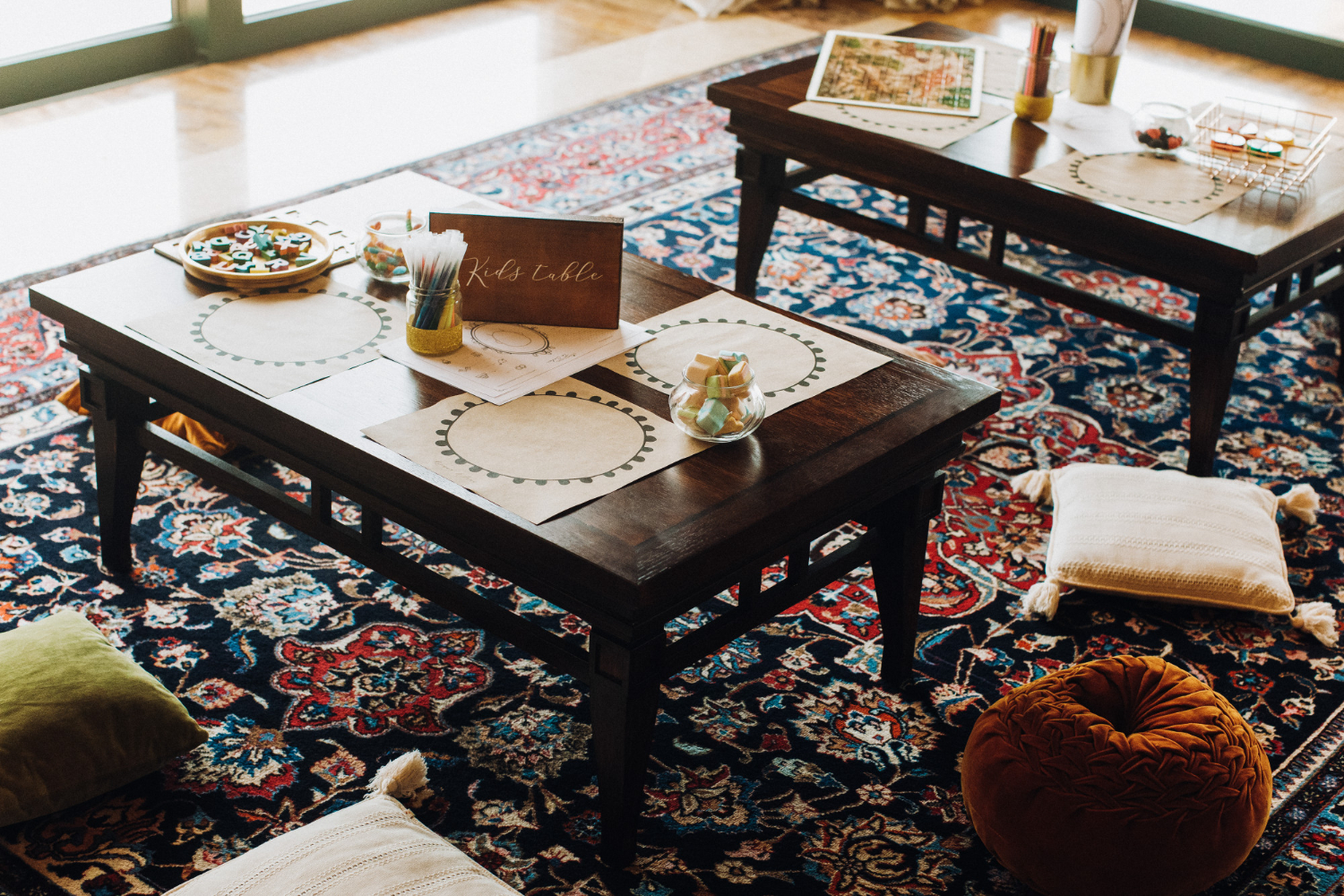
Tabriz rugs anchor seating areas beautifully, adding warmth and sophistication.
Before placing your rug, calculate your rug size using our Rug Size Calculator to ensure perfect furniture alignment.
Bedrooms and Formal Spaces
Their soft wool pile and balanced patterns create a calm, refined atmosphere.
Choosing the Right Size Tabriz Rug
Selecting the right size is as important as choosing the design.
- Measure the room accurately
- Consider furniture layout
- Allow pattern visibility
Conclusion:
The Tabriz rug represents the perfect union of history, craftsmanship, and design. From intricate patterns to durable materials, every detail reflects centuries of Persian artistry.
Whether you are investing in an antique Tabriz rug or styling a modern home with a Persian Tabriz wool rug, understanding its origin and construction empowers you to choose wisely and enjoy a piece of living heritage for generations.
Frequently Asked Questions
What is a Tabriz rug made of?
Most Tabriz rugs are made with wool pile, cotton foundations, and occasional silk accents.
Are all Tabriz rugs handmade?
Authentic Tabriz rugs are hand-knotted, though machine-made replicas exist.
How long do Tabriz Persian rugs last?
With proper care, they can last 50–100 years or more.
Are Tabriz rugs a good investment?
Yes, especially antique or high-quality handmade pieces.