
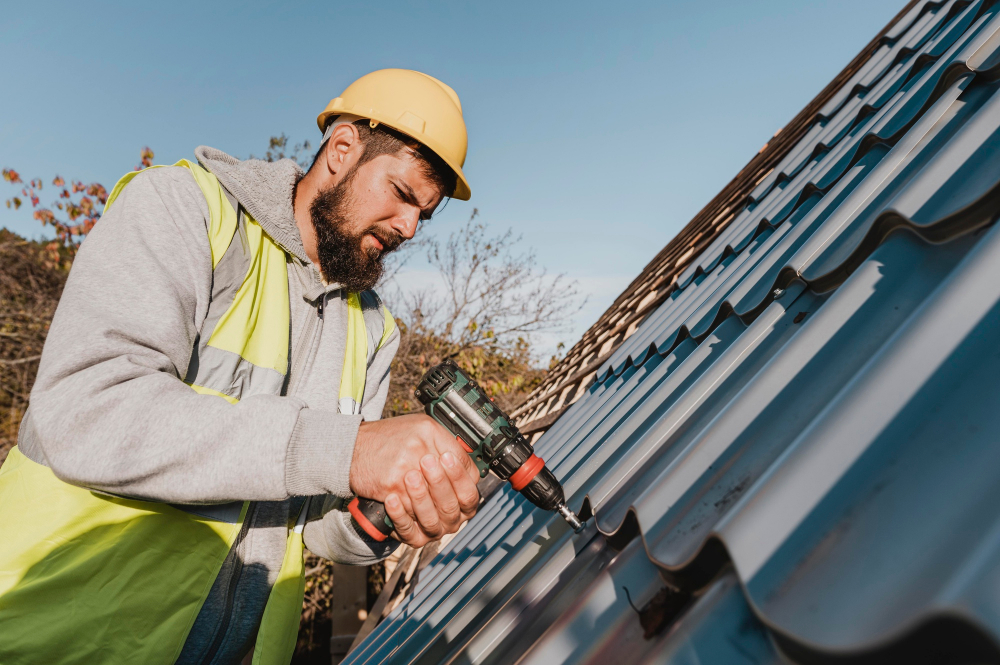
Roof replacement cost in 2026 continues to rise due to material inflation, labor shortages, and stricter building codes. Homeowners now spend thousands more compared to five years ago. If you’re planning a roof replacement, understanding price per square foot, materials, labor, insurance, and financing options is critical. This complete guide explains every cost factor clearly so you can budget confidently and avoid expensive mistakes.
Average Roof Replacement Cost in 2026
In 2026, the average roof replacement cost in the United States ranges between:
- $8,000 to $22,000 for most homes
- National average: $12,500–$15,000
- High-end premium roofs: $30,000+
The final cost depends on:
- Roof size (square footage)
- Material type
- Roof pitch (steepness)
- Tear-off complexity
- Labor rates
- Local building codes
- Permit fees
Average Roof Replacement Cost Per Square Foot
In 2026, homeowners typically pay:
- $4.50 – $7.50 per square foot (asphalt shingles)
- $8 – $14 per square foot (metal roofing)
- $10 – $18 per square foot (tile roofing)
- $15 – $25 per square foot (slate roofing)
Roofers measure roofs in “squares.”
One roofing square = 100 square feet.
If your roof is 2,000 square feet:
- Asphalt roof: $9,000–$15,000
- Metal roof: $16,000–$28,000
- Tile roof: $20,000–$36,000
Steeper roofs increase labor cost by 15–40%.
Roof Replacement Cost by Material
Choosing the right roofing material dramatically impacts total project cost and long-term value.
Asphalt Shingles
The most common roofing material in America.
Average cost:
- $4.50–$7.50 per sq ft
- Lifespan: 20–30 years
Pros:
- Affordable
- Easy installation
- Widely available
Cons:
- Shorter lifespan
- Lower resale value
Best for budget-conscious homeowners.
Metal Roofing
Growing in popularity due to durability and energy efficiency.
Average cost:
- $8–$14 per sq ft
- Lifespan: 40–70 years
Pros:
- Fire resistant
- Energy efficient
- Long lifespan
Cons:
- Higher upfront cost
- Noisy without insulation
Metal roofs often qualify for energy tax incentives.
Clay or Concrete Tile Roofing
Popular in warm climates like Florida, Arizona, and California.
Average cost:
- $10–$18 per sq ft
- Lifespan: 50+ years
Pros:
- Extremely durable
- Weather resistant
- High-end appearance
Cons:
- Heavy
- Requires reinforced framing
Slate Roofing
Luxury roofing option.
Average cost:
- $15–$25 per sq ft
- Lifespan: 75–100 years
Pros:
- Premium curb appeal
- Fire resistant
- Extremely long lifespan
Cons:
- Expensive
- Specialized labor required
Labor Costs in 2026
Labor accounts for 40–60% of the total roof replacement cost.
Average roofing labor cost:
- $2 – $6 per square foot
- $50–$100 per hour per worker
Labor cost increases if:
- The roof pitch is steep
- Multiple layers must be removed
- The roof has chimneys or skylights
- Structural repairs are required
Urban areas charge more than rural locations.
Roof Replacement Cost by State
Roofing prices vary significantly by region due to labor rates, climate, and material demand.
High-Cost States
- California
- New York
- Massachusetts
Average: $12,000–$25,000
Moderate-Cost States
- Texas
- Georgia
- North Carolina
Average: $8,000–$18,000
Lower-Cost States
- Ohio
- Indiana
- Alabama
Average: $7,000–$14,000
Storm-prone states often see higher insurance-covered replacements.
Signs You Need Roof Replacement
Ignoring early warning signs leads to water damage and structural repairs.
Look for:
- Curling or cracked shingles
- Missing shingles
- Granules in gutters
- Water stains on the ceiling
- Sagging roof deck
- Moss or algae growth
- Roof age over 20 years
After severe storms or hail damage, schedule an inspection immediately.
Roof Replacement vs Roof Repair
Many homeowners wonder if repair is enough.
Choose replacement if:
- The roof is 20+ years old
- Damage affects more than 30% of roof
- Multiple leaks exist
- Structural decking is damaged
Repairs cost:
- $300–$1,500 for minor issues
- $2,000–$5,000 for larger sections
Replacement offers better long-term value.
Does Home Insurance Cover Roof Replacement?
In many cases, yes.
Homeowners insurance typically covers roof replacement if damage results from:
- Wind
- Hail
- Fire
- Falling trees
Insurance usually does NOT cover:
- Normal wear and tear
- Neglect
- Poor maintenance
Some policies provide:
- Replacement cost coverage
- Actual cash value coverage
Replacement cost pays full new roof price.
Actual cash value deducts depreciation.
Always review your policy details.
Roof Replacement Financing Options
Roof replacement is expensive. Financing helps spread payments.
Common options:
Home Equity Loan
- Lower interest rates
- Fixed monthly payments
- Requires equity
Home Equity Line of Credit (HELOC)
- Flexible borrowing
- Variable interest rate
Personal Loan
- No home collateral required
- Higher interest rates
Roofing Company Financing
Many contractors partner with lenders.
Benefits:
- Quick approval
- Promotional 0% APR options
Always compare APR, fees, and total repayment amount.
Roof Replacement Return on Investment (ROI)
Roof replacement increases property value.
Average ROI in 2026:
- 60%–70% for asphalt shingles
- 65%–75% for metal roofing
- Higher ROI in competitive housing markets
A new roof:
- Boosts curb appeal
- Increases buyer confidence
- Improves home inspection results
- May reduce homeowner insurance premiums
In storm-prone states, buyers prioritize new roofing systems.
Hidden Costs Homeowners Forget
Many budgets ignore these expenses:
- Permit fees ($100–$500)
- Roof inspection fees
- Structural repairs
- Gutter replacement
- Skylight flashing
- Dumpster rental
- Landscaping protection
Always request a detailed written estimate.
Factors That Increase Roof Replacement Cost
Expect a higher cost if:
- Roof pitch exceeds 6:12 slope
- Multi-story home
- Complex roof design
- Chimneys or dormers present
- Premium underlayment installed
- Synthetic or architectural shingles selected
Material shortages also raise prices seasonally.
Best Time of Year for Roof Replacement
Roofing demand peaks during late spring and summer.
You may get better pricing during:
- Late fall
- Early winter (in mild climates)
However, weather conditions must allow proper installation.
How to Choose a Roofing Contractor
Choosing the right contractor protects the investment.
Look for:
- Licensed and insured company
- Written warrant
- Detailed estimate
- Local reviews
- Manufacturer certification
Avoid:
- Door-to-door storm chasers
- Large upfront payments
- Verbal-only agreements
- Get at least three estimates.
Step-by-Step Roof Replacement Process
Understanding the process helps manage expectations.
- Inspection and estimate
- Permit acquisition
- Old roof tear-off
- Deck inspection
- Underlayment installation
- Flashing installation
- Shingle or material placement
- Cleanup and final inspection
Most projects take 1–3 days.
Energy Efficiency and Roofing
Modern roofing materials improve insulation and reduce energy costs.
Metal and reflective shingles:
- Reduce attic heat
- Lower summer cooling bills
- Improve ENERGY STAR ratings
Some states offer energy efficiency rebates.
Should You Replace Gutters With Roof?
If gutters are 15+ years old, replacing them with a roof saves labor costs later.
Combined installation reduces:
- Labor duplication
- Water damage risk
- Future repair costs
Roof Replacement Cost for Different Home Sizes
1,000 sq ft home:
- $5,000–$10,000
1,500 sq ft home:
- $7,000–$13,000
2,000 sq ft home:
- $9,000–$18,000
3,000 sq ft home:
- $14,000–$28,000
Always calculate roof area, not living space.
Warranty Types Explained
Two primary warranties:
- Manufacturer warranty
Covers material defects. - Workmanship warranty
Covers installation errors.
Premium contractors offer 10–25-year workmanship warranties.
Conclusion
Roof replacement cost in 2026 depends on square footage, materials, labor rates, and state pricing differences. Most homeowners spend between $8,000 and $22,000, but premium materials can exceed $30,000. Insurance may cover storm damage, and financing options make projects manageable. A new roof increases property value, improves energy efficiency, and prevents costly structural damage. Plan carefully, compare estimates, and invest in quality installation to protect your home long term.
FAQs
Are roof replacements tax-deductible?
Usually not for primary residences. Exceptions: rental properties, home offices, or energy-efficient upgrades that qualify for federal or state incentives.
Is it better to replace gutters at the same time as the roof?
Yes. Combining installations reduces labor duplication, prevents water damage, and saves future repair costs.
How does roof replacement increase my home’s value?
A new roof improves curb appeal, boosts buyer confidence, may reduce insurance premiums, and generally offers a 60–75% ROI, depending on material and local housing market.
How long does a roof replacement take?
Most residential roof replacements take 1–3 days, depending on roof size, complexity, weather, and material type.
How does roof material affect long-term cost and value?
Asphalt shingles are affordable but shorter-lived; metal roofs are durable and energy-efficient; tile roofs are heavy but long-lasting; slate roofs are premium with high curb appeal. Material choice affects lifespan and ROI.
What are the hidden costs of roof replacement?
Permit fees ($100–$500), structural repairs, gutter replacement, skylight flashing, dumpster rental, and landscaping protection. Always request a detailed estimate.
How do I choose the right roofing contractor?
Look for licensed and insured contractors with manufacturer certification, detailed written estimates, local reviews, and warranty coverage. Avoid door-to-door storm chasers and large upfront payments.
When should I replace my roof instead of repairing it?
Consider replacement if your roof is over 20 years old, has damage covering more than 30%, multiple leaks, or structural decking issues. Repairs are cheaper short-term but replacement offers long-term value.