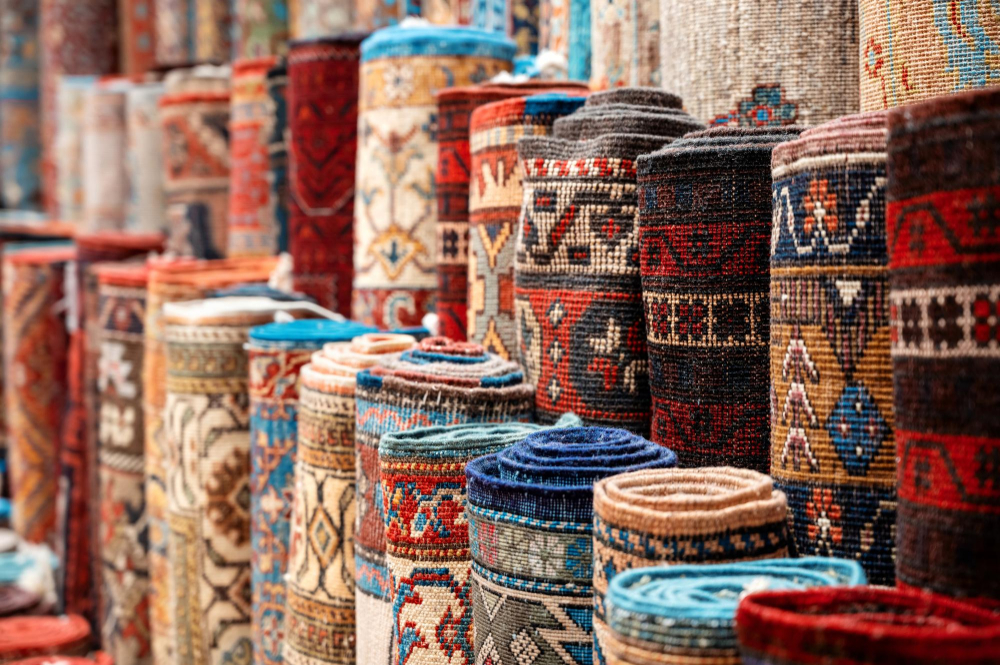
A Mahi rug is a traditional Persian carpet pattern known for its repeating fish-like design and balanced layout. The word mahi means fish in Persian, which explains the curved motifs woven throughout the rug. Artisans originally developed this traditional rug motif in Persian weaving centers, where it became widely admired for its symmetry and durability. Many people also call a Mahi rug the Herati design because of its historical link to the Herat region. In this guide, you will learn the meaning of a Mahi rug, understand its fish design rug pattern, explore Tabriz-style variations, discover its value, and learn how to identify an authentic piece with confidence.
Short Summary For Readers:
| A Mahi rug is a classic Persian carpet known for its repeating fish-like pattern, balanced symmetry, and timeless appeal. Rooted in Persian weaving traditions and often called the Herati design, Mahi rugs reflect cultural symbolism, fine craftsmanship, and durability. This guide explains their meaning, design, origins, value, and how to choose the right size with confidence. |
Keytake Aways From This Blog
| > Mahi means fish in Persian, referring to the curved motifs that create the signature fish design rug pattern. > Mahi and Herati rugs share the same base design, with the difference mainly in naming and regional history. > The Mahi rug pattern symbolizes abundance, protection, and balance, deeply rooted in Persian rug symbolism. > Tabriz Mahi Persian rugs are among the finest, known for high knot density, precision, and refined structure. > Iran remains the primary source of authentic Mahi rugs, with cities like Tabriz, Kashan, and Bidjar leading production. > Traditional colors and quality materials such as wool, cotton, and silk ensure durability and graceful aging. > Choosing the correct rug size is essential, and using a rug size calculator helps protect your investment and enhance your space. |
Why the Mahi Pattern Resembles Fish
The Mahi rug design features repeating curved elements that resemble stylized fish swimming in a circular motion. These shapes appear around a small central flower, creating a rhythmic and flowing layout.
The fish-like appearance comes from:
- Curved leaf or hook-shaped motifs
- Paired forms are positioned head-to-tail
- Repetition that suggests movement across the rug
From a distance, the pattern looks structured and geometric. Up close, the flowing curves reveal their organic inspiration. This balance between order and movement makes the design visually appealing and easy to recognize.
Cultural Symbolism of the Mahi Rug Design
Persian rug designs often carry deeper meaning, and the Mahi pattern is no exception. The fish motif holds strong symbolic value in Persian art and tradition.
Symbol of Abundance and Prosperity
In Persian culture, fish often represent:
- Wealth
- Growth
- Continuous provision
Because fish live in water, they are associated with life and renewal. Weavers incorporated this symbolism into rugs to reflect wishes for abundance and stability within the home.
Symbol of Protection
The repeating fish shapes form a protective visual barrier across the rug’s surface. This repetition creates a sense of enclosure and order.
In Persian rug symbolism, repetition often reflects:
- Safety
- Continuity
- Spiritual protection
Many households believed that such patterns helped maintain harmony and balance within living spaces.
Symbol of Balance and Harmony
The Mahi pattern relies on perfect symmetry and repetition. Every element mirrors the next, which creates visual and symbolic balance.
This balance represents:
- Order in daily life
- Harmony between nature and structure
- Stability across generations
This concept aligns closely with traditional rug meaning, where design serves both decorative and symbolic purposes.
Relationship Between Mahi and Traditional Persian Beliefs
Persian weaving traditions often reflect philosophical ideas. The Mahi rug design embodies several of these beliefs through its structure.
Important symbolic ideas reflected in the Mahi pattern include:
- Continuous flow, shown through repetition
- Interconnection, created by overlapping motifs
- Unity, achieved through symmetry
Rather than focusing on a single center point, the Mahi pattern spreads meaning evenly across the rug.
How the Meaning of “Mahi” Influences the Design Structure
The symbolic meaning of Mahi directly influences how artisans weave the rug.
Design features shaped by meaning include:
- All-over pattern instead of a large medallion
- Consistent spacing to maintain harmony
- Repeated fish motifs to emphasize continuity
These design choices ensure that the rug communicates its symbolic message clearly and consistently.
Why the Meaning of Mahi Still Matters Today
Even in modern interiors, the meaning behind the Mahi rug design remains relevant. Homeowners and collectors value rugs that offer more than visual appeal.
Modern buyers appreciate Mahi rugs because:
- The symbolism adds emotional depth
- The balanced pattern suits contemporary spaces
- The design feels timeless rather than trendy
What Is a Mahi Persian Rug?
A Mahi Persian rug is one of the most refined and recognizable styles in traditional Persian weaving. Known for its elegant structure, balance, and timeless appeal,
This rug design has remained popular for generations among collectors, interior designers, and homeowners who appreciate classic craftsmanship.
Definition of a Mahi Persian Rug
The word “Mahi” means fish in Persian, and the name comes from the small, repeating fish-like motifs that surround a central element. A Mahi Persian rug typically features a diamond-shaped medallion at the center, encircled by tiny curved forms that resemble swimming fish.
What sets a Mahi Persian rug apart is its fine knotting, detailed patterning, and balanced symmetry, making it both decorative and durable for long-term use.
All-Over Repeating Pattern
Instead of large, dramatic elements dominating the design, the surface is filled with evenly spaced motifs that repeat consistently from edge to edge.
Key features of the pattern include:
- Small fish or leaf-like motifs arranged in circular motion
- A structured geometric layout
- Consistent spacing that creates visual rhythm
- Fine lines and high knot density for clarity
This all-over design makes the rug visually calming and easy to pair with classic or modern interiors.
Difference From Medallion Rugs
The Mahi Persian rug remains popular because it reflects the core values of Persian weaving: precision, harmony, and timeless beauty. Weavers favor this style for its technical complexity and visual refinement.
Reasons for its lasting popularity include:
- Elegant and symmetrical design
- High durability due to dense knotting
- Strong cultural heritage
- Suitable for both traditional and luxury interiors
A Mahi Persian rug is more than a floor covering; it’s a symbol of classic Persian artistry that never goes out of style.
Mahi Rug Pattern Explained (Design Details)
The Mahi rug pattern is admired for its precision, balance, and timeless structure. If you’re trying to understand why this Persian carpet design feels so refined and easy on the eyes, it comes down to how its core elements work together.
Below is a clear, user-first breakdown of the design details that make the Mahi pattern unique and highly desirable.
Core Elements of the Mahi Pattern
The beauty of the Mahi pattern lies in its carefully organized structure. Every element has a purpose, and nothing feels random or overcrowded.
- Central Flower or Rosette
- Diamond Shape Framework
- Four Curved Fish-Like Leaves
- Repeating Grid Layout
Key design traits include:
- Precise repetition
- High symmetry
- Even spacing
- Clear pattern definition
Why the Mahi Pattern Feels Balanced
The Mahi pattern is not just decorative, it’s visually intelligent. Its structure naturally creates balance, making it appealing in many settings.
- Visual Rhythm
- Perfect Symmetry
- Works in Small and Large Rooms
- In small rooms, it prevents visual clutter
- In large rooms, it fills space evenly without feeling empty
This versatility is why the Mahi pattern remains a favorite in classic and modern interiors alike.
Mahi Rug vs Herati Rug (Are They the Same?)
This is one of the most common and confusing questions buyers ask and the short, clear answer is: yes, they are essentially the same base design, but the names are used differently. Understanding this distinction helps you shop smarter and also explains why both terms appear in Persian rug descriptions.
Let’s break it down in a simple, user-first way.
Same Base Design
Both Mahi rugs and Herati rugs share the same core pattern structure. The design includes:
- A central rosette or flower
- A diamond-shaped framework
- Four curved, fish-like leaves
- A repeating, all-over rug motif
From a design perspective, there is no fundamental difference between a Mahi rug and a Herati rug. The repeating rug pattern, symmetry, and layout are identical, which is why many experts use the terms interchangeably.
Herati = Origin
The term Herati refers to geographic origin, not appearance.
- “Herati” comes from Herat, a historic weaving region
- The name identifies where the pattern was popularized, not how it looks
- In traditional Persian carpet design, patterns are often named after cities or regions
So when a rug is called a Herati rug, it emphasizes heritage and regional history.
Mahi = Visual Description
The word “Mahi” means fish in Persian, and this name focuses on what the pattern looks like.
- The curved leaves resemble small fish swimming around the rosette
- The visual flow gives movement to the all-over rug motif
- “Mahi” is easier for buyers to recognize visually
In modern rug markets, the term Mahi Persian rug is the more commonly used term because it clearly describes the design.
Minor Regional Variations
While the base design is the same, minor regional variations can exist depending on where the rug is woven.
These variations may include:
- Slight changes in fish shape
- Differences in spacing between motifs
- Color palette preferences
- Knot density and line sharpness
For example, a Herati-style rug from Tabriz may look more refined, while one from Mashhad may feel slightly bolder. These differences do not change the identity of the pattern, only its expression.
Final Clarity for Buyers
To put it simply:
- Herati = name based on origin
- Mahi = name based on visual design
- The pattern itself is the same
Knowing this helps you compare rugs confidently, understand product descriptions, and recognize authentic Persian carpet design without confusion.
Mahi Tabriz Persian Rug Explained
A Mahi Tabriz Persian rug represents one of the highest standards in classic Persian weaving. If you are looking for a rug that combines artistic detail with long-term value, Tabriz-made Mahi rugs stand out for their clarity, structure, and refined craftsmanship. These rugs are often chosen by buyers who want elegance without visual heaviness.
What Makes Tabriz Mahi Rugs Special
Mahi Tabriz rugs are known for exceptional technical quality and visual precision. The weavers of Tabriz have centuries of experience producing some of the finest Persian carpets in the world.
Key qualities include:
- Fine knot density
- Precision weaving
- Clean pattern definition
Because of these features, Mahi Tabriz rugs often feel lighter and more refined than other regional versions.
Tabriz vs Other Mahi Rugs
While all Mahi rugs share the same base design, the weaving region affects the final look and feel.
Tabriz vs Kashan
- Kashan Mahi rugs often appear softer and more floral
- Tabriz versions look sharper, more structured, and precise
Tabriz vs Bidjar
- Bidjar Mahi rugs are heavier and thicker
- Tabriz rugs feel more refined and flexible while still durable
Tabriz vs Hamadan
- Hamadan Mahi rugs are more rustic with looser patterns
- Tabriz Mahi rugs show superior symmetry and clean detail
Why Choose a Mahi Tabriz Persian Rug
If you value precision, balance, and classic elegance, a Mahi Tabriz Persian rug is an excellent choice. Its clean design works beautifully in formal living rooms, offices, and refined interiors, offering timeless Persian artistry with unmatched craftsmanship.
Where Mahi Rugs Are Made
Mahi rugs come from some of the most respected rug-weaving areas in the world. While the pattern appears in more than one country, its roots and finest examples are deeply tied to Iran. Understanding where these rugs are made helps you judge quality, craftsmanship, and long-term value with confidence.
Iran: The Heart of Mahi Rug Weaving
Iran remains the most important source of authentic Mahi rugs. Several historic cities are known as leading Persian rug-weaving regions, each adding its own character to the design.
Major Iranian centers include:
- Tabriz
- Kashan
- Bidjar
- Hamadan
Afghanistan: A Secondary Source
Mahi-style rugs are also woven in Afghanistan, particularly in regions influenced by Persian design traditions. Afghan Mahi rugs often use:
- Hand-spun wool
- Earthy, natural dyes
- Slightly simpler pattern execution
While these rugs offer good value, they generally lack the fine detail and symmetry found in top Iranian pieces.
Why Iran Is Dominant Today
Iran continues to dominate Mahi rug production for several reasons:
- Centuries-old weaving knowledge
- Highly skilled artisans trained in complex patterns
- Access to premium wool and dyes
- Strong cultural commitment to traditional Persian carpet design
Because of this, collectors and buyers still consider Iran the gold standard for authentic Mahi rugs.
What This Means for Buyers
Common Colors and Materials Used in Mahi Rugs
The lasting appeal of Mahi rugs comes not only from their balanced pattern but also from their carefully chosen colors and high-quality materials. These elements work together to create rugs that look beautiful when new and age gracefully over time.
Traditional Colors
Traditional Mahi rugs use a refined color palette that enhances the repeating pattern without overwhelming the space. These shades reflect centuries of Persian design knowledge and practical use.
Most common colors include:
- Navy blue
- Red
- Ivory
- Beige
- Green accents
These colors help Mahi rugs maintain a timeless appearance and make them adaptable to many room styles.
Materials Used in Mahi Rugs
The materials chosen for Mahi rugs directly affect durability, comfort, and long-term value.
Standard construction includes:
- Wool pile
- Cotton foundation
- Silk highlights (luxury rugs)
Some high-end Mahi rugs use silk for details. Silk adds shine and sharpens fine patterns, increasing elegance and value.
Durability and Aging
Thanks to dense knotting and strong materials, Mahi rugs are built to last.
- Wool fibers become softer and more lustrous with age
- Natural dyes mellow into richer tones
- Cotton foundations prevent warping and distortion
With proper care, a well-made Mahi rug can last for decades while becoming more beautiful over time. This durability makes it a practical and artistic investment for any home.
Why Collectors Like Mahi Rugs
Among rug collectors, Mahi rugs hold a special place. These rugs are not just decorative pieces; they represent tradition, skill, and long-term value. Collectors across the world continue to seek Mahi rugs because they combine beauty with lasting investment potential.
Timeless Design
One of the strongest reasons collectors favor Mahi rugs is their timeless design. The balanced, repeating pattern never feels outdated or trendy.
- The all-over motif creates visual harmony
- The symmetry feels calm and refined
- The design works in both classic and modern interiors
Because the pattern avoids bold, short-lived trends, Mahi rugs remain desirable across generations.
High Craftsmanship
Mahi rugs showcase the highest levels of Persian weaving skill. Each rug requires precision, patience, and deep knowledge of traditional techniques.
Key craftsmanship features include:
- Fine knot density
- Clean pattern definition
- Consistent symmetry across the surface
Collectors value this level of workmanship, especially in older and antique Persian rugs, where hand skill is clearly visible.
Long Lifespan
Durability is another major factor. Well-made Mahi rugs are designed for daily use while maintaining their beauty.
- Dense wool pile resists wear
- Strong cotton foundations keep the rug stable
- Natural dyes age gracefully
With proper care, these rugs often last for decades, making them reliable heirloom pieces.
Strong Resale and Collector Value
From an investment perspective, Mahi rugs perform well in the secondary market.
Reasons for strong resale include:
- Consistent demand among rug collectors
- Recognizable design with historical value
- High-quality materials and construction
As handmade carpets become rarer, handmade carpet value continues to rise, especially for well-preserved Mahi rugs from respected weaving regions
How to Identify an Authentic Mahi Rug
Buying a Mahi rug should feel exciting, not uncertain. Knowing how to spot an authentic Mahi rug helps you make a confident, informed decision and avoid low-quality imitations. The good news is that genuine Mahi rugs show clear, reliable signs of quality you can see and feel.
Key Signs of an Authentic Mahi Rug
Use the checklist below when evaluating a rug. A true Mahi rug will meet most, if not all, of these criteria.
- Sharp fish shapes
- Balanced symmetry
- Natural color variation
- Quality wool feel
Authentic Mahi rugs are made with patience and pride. If the rug feels harmonious, balanced, and alive with subtle detail.
Not Sure What Rug Size You Need?
Choosing the wrong rug size can instantly throw off the balance of a room. Even a beautiful Mahi rug can look awkward if it’s too small, too large, or poorly placed. That’s why rug size matters just as much as pattern and quality.
Before you invest in a Mahi rug, take a moment to make sure it fits your space perfectly.
Why Rug Size Matters
- The right dimensions help your rug:
- Anchor your furniture correctly
- Create visual harmony in the room
- Make small spaces feel larger
- Prevent empty or crowded floor areas
Whether you’re styling a living room, bedroom, or dining area, proper sizing ensures your rug enhances the design instead of competing with it.
Calculate Before You Buy
Every room has different layout needs. Sofa placement, table size, and walking space all affect the ideal rug dimensions. Guessing often leads to costly mistakes.
That’s why we recommend using a tool designed to help fast and free.
Use our free Rug Size Calculator to find the ideal rug size for:
- Living rooms
- Bedrooms
- Dining areas
The calculator guides you step by step and helps you choose proportions that look intentional and well-designed.
Buy With Confidence
By calculating first, you protect your investment and ensure your Mahi rug becomes a centerpiece not an afterthought.
Caring for a Mahi Persian Rug
Proper care helps a Mahi Persian rug stay beautiful, durable, and valuable for decades. These rugs are handcrafted with fine wool and natural dyes, so simple, consistent care makes a big difference. Follow these user-friendly tips to protect your investment with confidence.
Essential Care Tips:
- Vacuuming
- Regular rotation
- Sunlight avoidance
- Professional cleaning
Extra Protection Tips
- Clean spills immediately by blotting, never rubbing
- Use a quality rug pad to reduce friction
- Avoid harsh chemicals or steam cleaning
Final Thoughts
Mahi rugs stand as a lasting symbol of Persian artistry and cultural heritage. Their balanced design, skilled craftsmanship, and durable materials explain why they remain admired across generations. Whether placed in a traditional or modern interior, these rugs adapt effortlessly while maintaining elegance.
Frequently Asked Question
What is a Mahi rug?
A Mahi rug is a traditional Persian rug featuring a repeating fish-like pattern known for balance and symmetry.
Is a Mahi rug the same as a Herati rug?
Yes, both names describe the same pattern. “Mahi” refers to the fish shape, while “Herati” refers to the origin.
What is a Mahi Tabriz Persian rug?
A Mahi Tabriz Persian rug is a finely woven version of the Mahi pattern made in Tabriz, known for precision and durability.
Are Mahi Persian rugs expensive?
Prices vary by origin, materials, and age. Tabriz Mahi rugs and antique pieces usually cost more.
What colors are common in Mahi rugs?
Navy blue, red, ivory, beige, and green are the most common traditional colors.