Lighting plays a pivotal role in living room design, affecting both style and functionality. Choosing the right fixtures, placement, and brightness can transform a dull space into a warm, inviting, and visually appealing environment. From layered lighting to accent pieces, the key is balancing aesthetics with practicality. Modern, minimalist, and traditional interiors require different lighting approaches to enhance the room’s ambiance while supporting everyday activities like reading, entertaining, or relaxing. This guide covers practical, creative, and expert-approved lighting strategies to elevate your living room.
Understanding Living Room Lighting Basics
Proper lighting enhances mood, functionality, and style. A well-lit living room combines ambient, task, and accent lighting to create a balanced, visually appealing space. Ambient lighting provides overall illumination, task lighting focuses on specific activities, and accent lighting highlights design features. Consider ceiling height, furniture placement, and natural light sources when designing your plan. Materials, bulb type, and color temperature also influence the room’s atmosphere. Understanding these basics allows homeowners to select lighting that complements both function and interior design.
Ambient Lighting: Setting the Foundation
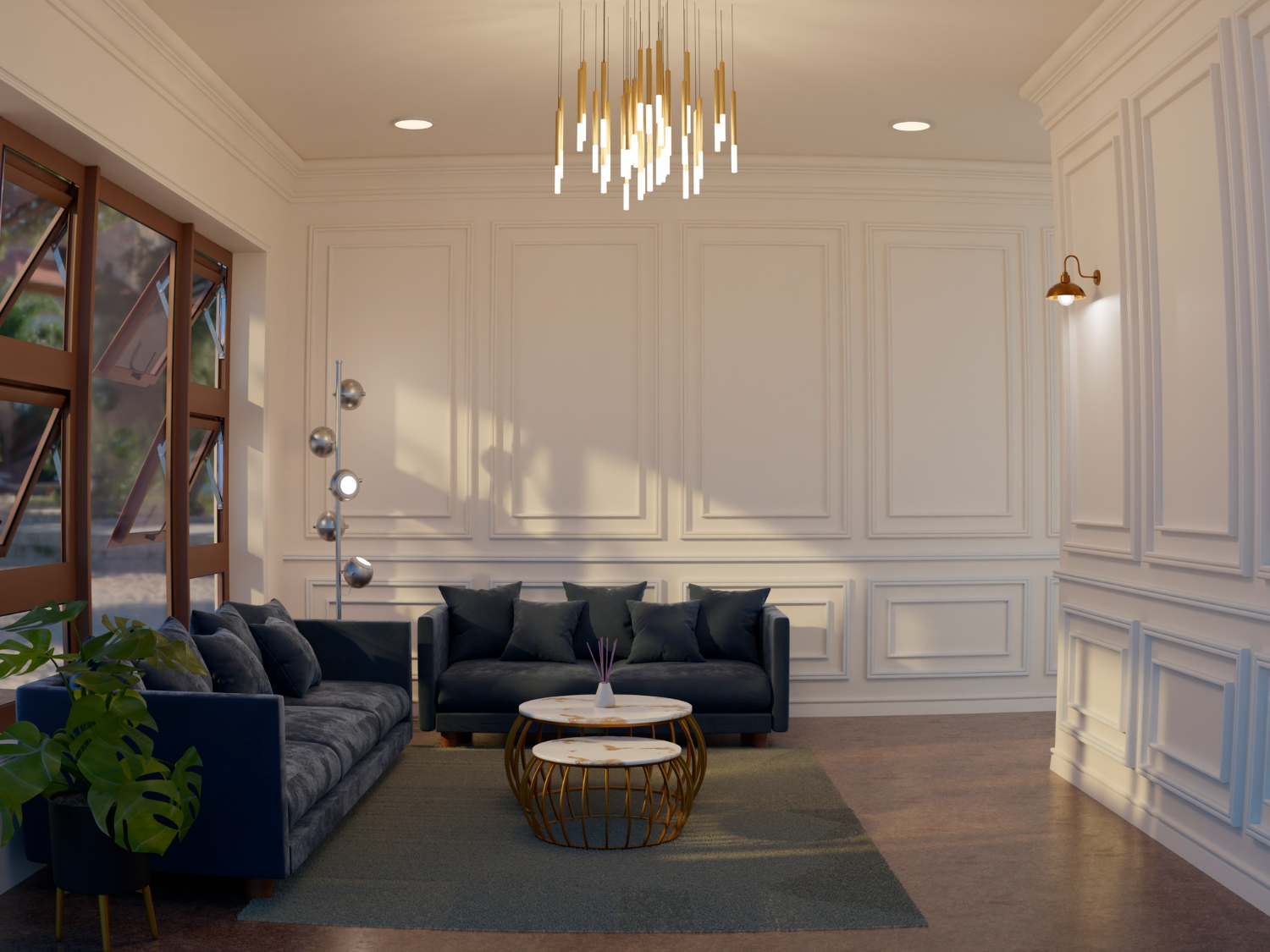
Ambient lighting forms the base layer, providing uniform illumination. Common options include recessed lights, chandeliers, ceiling-mounted fixtures, and LED panels. Adjustable brightness or dimmers enhance flexibility, adapting the space for reading, relaxing, or entertaining. Warm tones create a cozy atmosphere, while cooler tones support a modern, energetic feel. Layering ambient light with other sources ensures the living room is evenly lit without harsh shadows or glare.
Top Ambient Lighting Ideas:
- Recessed ceiling lights for a clean, modern look
- Large chandeliers for style and illumination
- LED ceiling panels for energy-efficient brightness
- Flush-mount ceiling fixtures for low-profile design
- Dimmable lights for adjustable ambiance
Task Lighting: Functional Illumination for Daily Activities
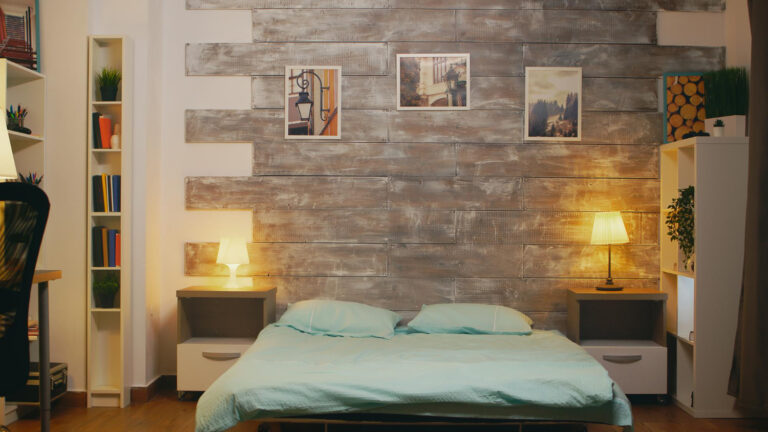
Task lighting targets specific areas where focused light is required. Ideal examples include reading corners, workstations, or hobby areas. Floor lamps, table lamps, and adjustable wall sconces offer versatility while enhancing decor. Position lights to reduce eye strain and shadows, especially for activities like reading or crafting. Combining functional lighting with style ensures that utility doesn’t compromise aesthetics.
Popular Task Lighting Options:
- Adjustable floor lamps for flexible illumination
- Table lamps with directional light for reading
- Desk-mounted lights for hobby or workspaces
- Swing-arm wall sconces for targeted lighting
- LED strip lighting under shelves or cabinets
Accent Lighting: Highlighting Design Features
Accent lighting adds depth and drama by drawing attention to architectural features, artwork, or decor elements. Wall washers, track lights, and LED strips can enhance textures, colors, or focal points. Accent lighting should be subtle, complementing rather than overpowering the ambient layer. Using varied light intensities and angles creates a visually dynamic living room environment.
Ways to Use Accent Lighting:
- Wall-mounted LED strips behind shelves
- Spotlights on artwork or sculptures
- Floor uplights for textured walls
- Cove lighting to highlight architectural details
- Cabinet lighting to emphasize decorative pieces
Layering Light: Creating Balance and Depth
Layering light combines ambient, task, and accent sources to achieve a harmonious effect. Start with ambient lighting as the base, add task lighting where functionality is needed, and use accent lights to enhance focal points. Proper layering ensures the room feels bright without harsh glare and looks inviting at all times. Mixing fixtures and styles adds visual interest and allows adaptability for different activities.
Layering Techniques:
- Pair overhead recessed lights with floor lamps
- Combine table lamps and sconces for reading nooks
- Add accent lighting to architectural features
- Use dimmers for flexible mood settings
- Integrate smart lighting for dynamic control
Color Temperature and Lighting Mood
Color temperature significantly affects mood. Warm white (2700–3000K) promotes coziness, while neutral white (3500–4000K) balances comfort and visibility. Cool white (5000K+) supports a modern, energetic feel but can appear harsh in relaxed spaces. Selecting the right temperature ensures lighting complements furniture, wall color, and decorative elements.
Color Temperature Tips:
- Warm tones for living rooms with classic or cozy décor
- Neutral tones for versatile, everyday use
- Cool tones for modern, minimalist spaces
- Use layered lighting to soften or enhance tones
- Consider LED bulbs for precise temperature control
Lighting Placement: Maximizing Impact
Strategic placement of lights is crucial for both aesthetics and functionality. Avoid placing lights behind seating areas, which can create shadows. Highlight pathways, corners, or artwork to enhance the room’s depth. Ceiling height, furniture layout, and natural light sources dictate optimal fixture positions.
Placement Guidelines:
- Center ambient lighting overhead for uniform brightness
- Position task lighting near reading or work areas
- Accent lights should highlight decor and architecture
- Avoid direct glare toward eyes or screens
- Use wall-mounted fixtures to save floor space
Stylish Fixture Choices: From Modern to Classic
Selecting fixtures that reflect your design style elevates the living room’s look. Modern fixtures with sleek lines suit minimalist interiors, while vintage chandeliers or ornate sconces complement traditional spaces. Material choices—metal, glass, wood, or fabric—affect visual appeal and lighting quality.
Popular Fixture Types:
- Modern pendant lights for a sleek aesthetic
- Classic chandeliers for elegance and drama
- Floor and table lamps with statement designs
- Wall sconces for layered lighting
- Track lighting for flexibility and highlight effects
Smart Lighting: Technology for Convenience and Customization
Smart lighting systems offer convenience, energy efficiency, and creative control. App-controlled lights, voice-activated systems, and automated schedules allow precise adjustments for brightness, color, and mood. Smart bulbs and fixtures are compatible with ambient, task, and accent layers, making them versatile for dynamic living rooms.
Smart Lighting Features:
- Voice-controlled adjustment
- Scheduled dimming for daily routines
- Color-changing bulbs for mood variations
- Energy-saving automated controls
- Integration with home automation systems
Energy Efficiency: Sustainable Lighting Solutions
Energy-efficient lighting reduces costs and environmental impact. LEDs consume less power than incandescent or halogen bulbs and last longer. Motion sensors and timers prevent unnecessary use. Choosing sustainable materials for fixtures further enhances eco-friendly design.
Energy-Saving Tips:
- Switch to LED bulbs for longevity and efficiency
- Use dimmers and timers to save energy
- Incorporate solar-powered or low-voltage lights
- Choose fixtures with recyclable materials
- Optimize natural light to minimize artificial lighting
Common Mistakes to Avoid in Living Room Lighting
Even with the best ideas, poor execution can affect results. Overly bright lights, poorly positioned fixtures, and mismatched color temperatures can ruin the ambiance. Avoid relying on a single light source; instead, embrace layering for functional and stylish outcomes. Consider furniture layout, natural light, and fixture size for proportionate illumination.
Mistakes to Avoid:
- Overusing overhead lighting without layers
- Choosing overly harsh or cool bulbs
- Ignoring shadows caused by furniture
- Neglecting accent lighting for focal points
- Installing too many mismatched fixtures
Conclusion
Designing effective living room lighting requires careful planning, layering, and attention to both aesthetics and function. By combining ambient, task, and accent lighting, choosing suitable color temperatures, and strategically placing fixtures, you can create a versatile and visually appealing space. Incorporating smart technology, energy-efficient solutions, and style-conscious fixtures enhances both comfort and ambiance. With these ideas, every living room can become a welcoming, functional, and beautifully illuminated space.