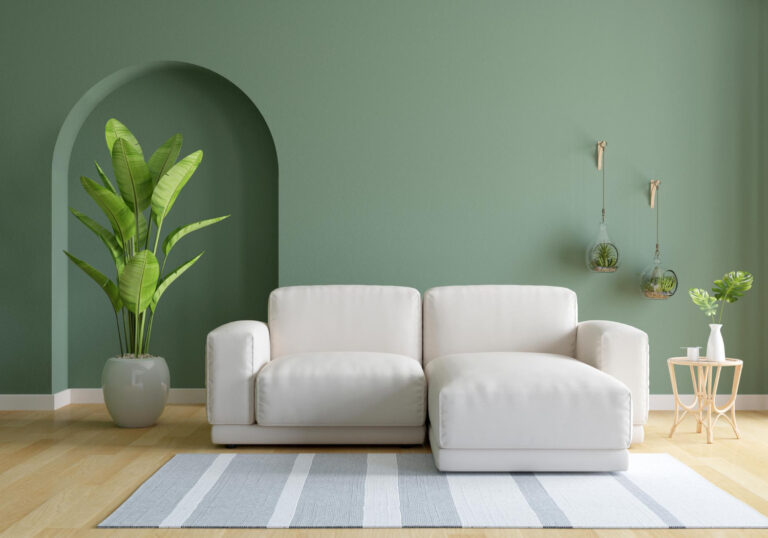

Choosing the right rug isn’t just about color, pattern, or texture; it’s about proportion, function, and balance. A rug that’s too small makes furniture look like it’s floating in space. One that’s too large overwhelms your room and blocks walkways. But when you get the size just right? Your entire space feels anchored, intentional, and polished.
The secret lies in matching rug dimensions to your room size and layout, not just picking what looks nice online. Yet most shoppers guess, measure incorrectly, or rely on vague advice like go big. The result? Costly returns, awkward spacing, and rooms that never quite feel finished.
Short Summary for Readers:
| Choosing the right rug size is about furniture placement not room dimensions. Use our guide and free Rug Size Calculator to anchor your space perfectly, avoid common mistakes, and shop with confidence. |
In this comprehensive guide, you’ll learn:
| 01: The exact rules interior designers use to size rugs by room type 02: How to measure your space accurately (even for odd layouts) 03: Standard U.S. rug sizes and what they really cover 04: How to calculate rug area and cost before you buy 05: Why clearance and furniture placement matter more than wall-to-wall coverage 06: How our Rug Size Calculator gives you personalized recommendations in seconds |
Whether you’re furnishing a studio apartment, staging a home for sale, or upgrading your living room, this guide gives you the tools to choose with confidence, no design degree required.
Why Rug Size Matters More Than You Think
A well-sized rug does far more than cover floors. It:
- Defines functional zones in open-concept spaces
- Anchors furniture groupings so seating feels cohesive
- Creates visual flow and enhances room proportions
- Protects flooring in high-traffic areas
- Adds warmth, texture, and acoustic comfort
According to the American Society of Interior Designers (ASID), proper rug placement is one of the top three factors in creating a professionally styled look. Conversely, poor sizing is the #1 mistake DIYers make, even with expensive rugs.
The Golden Rule of Rug Sizing: It’s About Furniture, Not Just Walls
Many people assume rug size = room size. This is a myth.
The truth? Your rug should relate to your furniture, not your walls. A 12’x15′ room doesn’t need a 12’x15′ rug. In fact, that would leave no exposed flooring, making the space feel cramped and visually heavy.
Instead, follow this principle:
The rug should unify your key furniture pieces while allowing breathing room around the edges.
How much breathing room? Typically, 12–24 inches of exposed floor on all sides, but this varies by room type (more on that below).
This approach ensures your rug serves its purpose: creating a grounded, inviting zone within your larger space.
Step-by-Step: How to Measure Your Room for a Rug
Accurate measurement is the foundation of great rug selection. Here’s how to do it like a pro:
- Clear the Area
Move obstacles so you can measure wall-to-wall without interference.
- Use the Right Tool
A metal tape measure (25’+) or laser distance measurer ensures accuracy. Avoid fabric tapes—they stretch.
- Measure Length and Width
Record both dimensions in feet and inches (e.g., 12’6″ x 15′). Include alcoves or bump-outs if they’re part of the main living area.
- Map Fixed Features
Note door swings, radiators, fireplaces, or built-ins. Your rug must clear door paths and not block vents.
- Sketch Your Layout
Draw your room and mark:
- Existing furniture you’ll keep
- Traffic flow paths
- Focal points (TV, fireplace, window)
How to Calculate Rug Area and Cost (Before You Buy)
Knowing your rug’s square footage helps you:
- Compare price per sq. ft. across materials
- Budget accurately
- Avoid overbuying
The Base Formula:
Rug Area = Length × Width
Example:
9′ x 12′ rug = 108 square feet
Estimating Cost by Material:
- Synthetic (polypropylene): $0.50–$2/sq. ft. → $54–$216 for 9’x12.’
- Cotton: $1–$3/sq. ft. → $108–$324
- Jute/Sisal: $2–$5/sq. ft. → $216–$540
- Wool: $4–$10+/sq. ft. → $432–$1,080+
Our Rug Size Calculator includes a cost estimator that updates in real time as you adjust size or materia,l so you never face checkout surprises.
Common Rug Sizing Mistakes (And How to Avoid Them)
Even experienced shoppers make these errors:
- Buying Based on Wall Size Alone
- Ignoring Chair Clearance in Dining Rooms
- Using Multiple Small Rugs in Large Rooms
- Forgetting Door Swing Clearance
- Assuming Bigger Is Always Better
By following room-specific guidelines and using precise measurements, you avoid these pitfalls.
Who Should Use This Calculator?
This tool isn’t just for decorators. It’s valuable for anyone furnishing a home:
- Homeowners: Avoid costly returns and create cohesive spaces
- Renters: Choose rugs that fit temporary layouts without damage
- Home Stagers: Quickly spec rugs for listings of all sizes
- New Buyers: Plan purchases before moving day
- DIY Renovators: Coordinate rugs with flooring and paint choices
- Interior Design Students: Learn professional sizing standards
Because the output is rule-based and room-specific, it delivers reliable results every time.
Advanced Scenarios: Odd Shapes, Rentals, and Multi-Functional Rooms
L-Shaped or Irregular Rooms
- Break the space into rectangles
- Calculate rug size for the main functional zone (e.g., seating area)
- Ignore unused corners or closets
Studio Apartments
- Use one rug to define the living area
- Choose a size that leaves walking space to the kitchen/bed
- 6’x9′ or 8’x10′ often works best
Basements or Family Rooms
- Prioritize durability (low-pile, synthetic)
- Go larger to anchor entertainment zones
- 9’x12′ or sectionals with matching rugs
Final Thought:
A perfectly sized rug transforms a room from almost there to polished, inviting, and intentional. With our free Rug Size Calculator, you get the same guidance top designers use without the consultation fee.
Know your ideal dimensions. Understand your budget. Avoid returns, waste, and frustration.