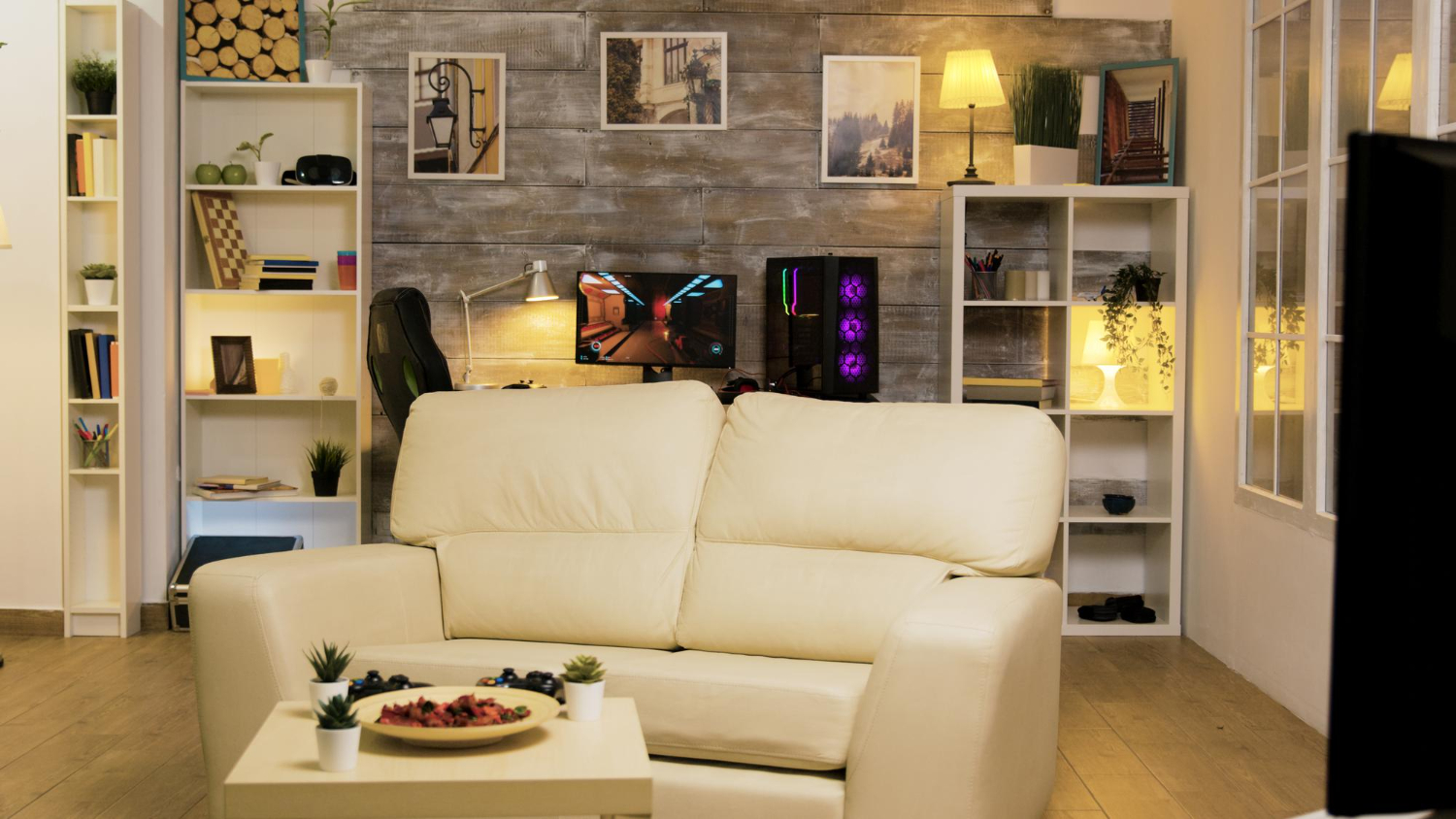
Arranging furniture in a small living room can feel challenging, but with the right strategy, you can create a space that feels open, comfortable, and functional. This guide explains how to arrange furniture in a small living room using practical layouts, smart planning, and space-saving techniques., helping you build a living room that looks bigger and works better.
Why Planning Matters When Arranging Furniture in a Small Living Room
Good planning is essential when arranging furniture in a small living room because every inch counts. Without a thoughtful layout, the room can feel tight, cluttered, and uncomfortable. With clear measurements, a defined focal point, and smart furniture choices, your space becomes easy to move through and visually balanced. This section explains the core principles you need before placing a single piece of furniture.
Measure Your Space Before You Start
Measuring your living room helps you understand what size furniture will fit and how much walking space you’ll have, ensuring you avoid oversized furniture or poor layouts. Proper measurement keeps the room balanced, open, and functional.
What to Measure
- Room length and width
- Height of walls
- Door and window placement
- Distance needed for walking space (ideally 24–36 inches)
Tools that help
- Phone measuring apps
- Standard tape measure
- Simple room sketch (paper or digital)
Why it matters
Example: A 7-foot sofa overwhelms a 10×12 room but fits perfectly in a 12×14 room. Measurements prevent crowding.
Identify the Room’s Focal Point
A focal point guides where your main furniture sits. It helps anchor the room and creates natural flow. A small living room needs a clear visual focus to avoid looking scattered. Once the focal point is chosen, arranging seats and accessories becomes easier and more harmonious.
Common focal points
- TV wall
- Fireplace
- Large window
- Feature wall or artwork
Example
If the window is the focal point, angling the sofa toward it creates openness and makes the room feel brighter.
Select Furniture That Fits Your Space
Choosing the right-sized furniture is essential for small rooms. Oversized sofas or bulky chairs limit movement, while compact pieces maintain comfort and flow.
Best furniture types for small living rooms
- Loveseats instead of large sofas
- Armless chairs
- Slim-profile coffee tables
- Multi-functional storage furniture
Quick comparison
Furniture Type Best For Notes
Sectional Rectangular rooms Only if compact
Loveseat Very small rooms Saves space
Foldable chairs Guests Easy storage
Best Layout Ideas for Small Living Rooms
Choosing the right layout is the most important part of arranging furniture in a small living room. Whether your room is long, square, narrow, or part of an open floor plan, these layouts help maximize comfort, flow, and space. Each layout includes practical tips for arranging seating, tables, and accessories.
The Floating Furniture Layout
Floating furniture away from the walls creates flow and makes the room feel larger. This layout works well when you want an open feel without blocking pathways. keep at least 10–12 inches between furniture and the wall to add depth.
How to do it
- Place the sofa slightly forward from the wall
- Add a rug under the seating zone
- Put chairs opposite the sofa
- Keep walkways around furniture
Example
A small 10×12 living room feels bigger when the seating group floats around a central rug instead of being pushed to the walls.
The Conversation-Focused Layout (300 characters)
This layout places seating around a central point such as a coffee table. It works well in small homes where guests gather often. keep distances close to maintain intimacy without blocking movement.
Steps
- Place the sofa facing the chairs
- Use a round coffee table
- Add a small side table between seats
Best for
Small rooms are used for socializing more than watching TV.
The TV-Focused Layout (300 characters)
Most small living rooms use the TV as the focal point. means placing furniture in a way that reduces glare, maintains good viewing height, and preserves walking space.
Tips
- TV should be at eye level
- Sofa should align with screen center
- Avoid placing seating too far to corners
Example
In a narrow room, place the TV on the short wall and align the sofa opposite for best viewing.
The L-Shaped Layout
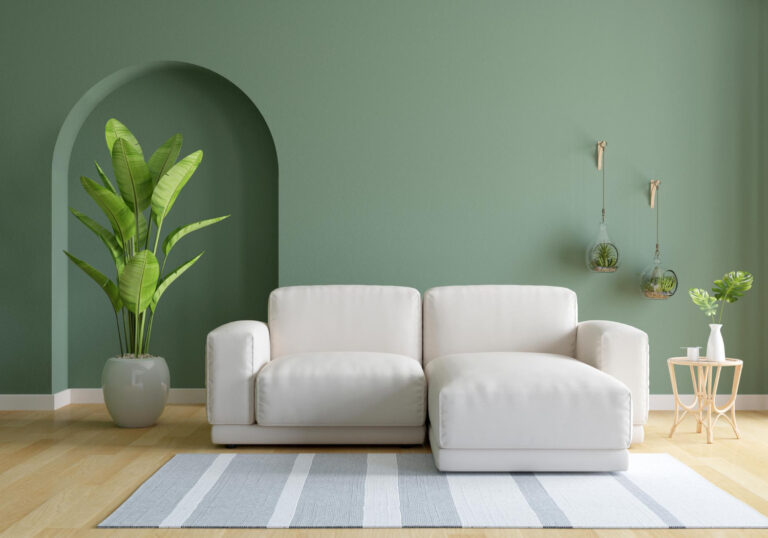
This layout works well for compact or awkwardly shaped rooms. An L-shaped sofa or combination of a sofa plus a chair forms a natural boundary without crowding.
How to create it
- Put the sofa along the longest wall
- Add a chair to form an L
- Position the coffee table in the center
- Keep the corner area open for balance
Why it works
It uses the room’s perimeter while keeping the center spacious.
Smart Space-Saving Furniture Ideas (500 characters)
Small living rooms benefit greatly from furniture that saves space, adds storage, or serves multiple purposes. This section gives structured furniture ideas that help maximize limited square footage without sacrificing comfort, style, or movement.
Multi-Functional Furniture
Multi-functional pieces give small rooms more flexibility. They reduce clutter and replace multiple bulky items. choose items that perform at least two roles without taking extra floor space.
Examples
- Sofa bed
- Storage ottoman
- Nesting tables
- Coffee table with shelves
Why it helps
You save space and reduce visual overload.
Vertical Storage Solutions
Using vertical space keeps the floor clear and gives small rooms more breathing room. tall, narrow units give maximum storage without occupying width.
Ideas
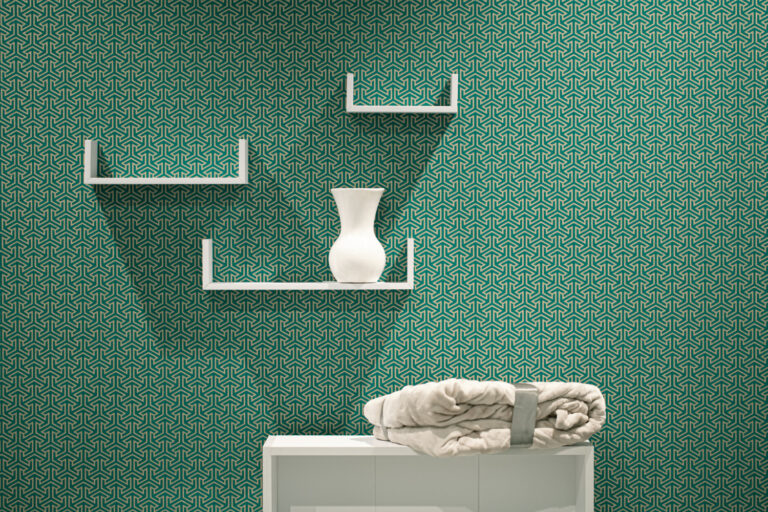
- Wall-mounted shelves
- Tall bookcases
- Floating cabinets
- Corner shelving
Example
Replacing a wide console with tall shelving frees up 2–3 feet of horizontal space.
Slim and Lightweight Furniture (300 characters)
Slim furniture makes tight rooms feel more open. Lightweight pieces can be rearranged easily depending on guests or activities.
Good options
Armless accent chairs
- Narrow console tables
- Sleek side tables
- Minimalist media stands
Comparison
Heavy Furniture Slim Furniture
Blocks pathways Opens walkways
Feels bulky Feels light
Hard to move Easy to reposition
How to Improve Flow and Movement in a Small Living Room (500 characters)
Flow refers to how easily people can move through a room. In a small living room, flow becomes even more important. This section explains how to keep pathways clear, avoid visual clutter, and create a layout that feels open
Create Clear Pathways
Movement is the foundation of a practical living room.Keep at least 2 feet of space for walking paths. Poor pathways make small rooms feel cramped and uncomfortable.
Tips
- Avoid blocking entrances
- Keep walkways straight, not zig-zag
- Use small side tables instead of wide ones
Balance Furniture by Weight (300 characters)
Visual weight matters. Heavy pieces on one side make the room feel uneven. Balance creates harmony and makes the room appear larger.
How to balance
- Distribute large pieces evenly
- Use rugs to unify the room
- Balance tall items with low ones
Example
A tall bookshelf shouldn’t sit next to another tall piece; pair it with a low console.
Keep the Center of the Room Open
Open centers create the illusion of more space. optimization: place seating along the edges to keep the middle clear.
Tips
- Use a rug to define the perimeter
- Choose a round coffee table
- Place chairs along corners
Accessories and Decor That Help Small Living Rooms Look Bigger
Accessories play a key role in making small living rooms feel spacious, bright, and well-designed. Simple changes such as mirrors, lighting, plants, and smart color choices can dramatically transform a small room.
Use Mirrors to Create Light and Depth
Mirrors reflect light and instantly enlarge the look of a room. Place mirrors across from windows when possible.
Best placements
- Behind sofa
- Adjacent to windows
- Above console table
Example
A large round mirror can make a 10×10 room feel visibly wider.
Choose Light Colors
Light colors make walls recede, giving the room a larger appearance.
- Best colors
- Soft beige
- Light grey
- White
- Pastel green or blue
Tip
Match furniture tones with wall tones for a seamless look.
Use Area Rugs to Define Space (300 characters)
Rugs help separate zones, especially in small spaces. choose a rug large enough to fit at least the front legs of furniture.
Benefits
- Adds warmth
- Defines seating area
- Creates visual order
Conclusion
Arranging furniture in a small living room becomes easier when you measure correctly, choose the right pieces, and follow smart layout principles. By identifying a focal point, maintaining flow, using multi-functional furniture, and incorporating space-enhancing decor, even the smallest living room can feel open, stylish, and comfortable. With these you can create a room that looks bigger and works better every day