Understanding the average bedroom size is essential whether you’re buying a home, renting an apartment, or planning a renovation. Bedroom dimensions affect comfort, furniture placement, storage, and overall livability. Yet, many people are unsure what qualifies as a standard bedroom size or how room dimensions vary by type and location.
In most residential properties, architects follow a standard bedroom guideline that balances comfort and efficient room design. The actual size varies based on country, property type, and architectural trends, but common dimensional ranges are widely recognized across the housing industry.
Quick Summary For Readers:
| The average bedroom size typically ranges between 120 and 180 square feet, depending on home type, region, and layout design. Standard bedrooms are designed to fit a bed, storage, and walking space comfortably, while master bedrooms are significantly larger. This guide explains exact dimensions, regional standards, and practical room size guide principles for homeowners and designers. |
Key Takeaways
| > The average bedroom size is 120–180 sq. ft. > Standard bedrooms focus on functionality, not excess space > Master bedrooms range from 200–400 sq. ft. > Proper layout improves usability more than size alone > US bedroom standards vary by region and property type > Good room design maximizes comfort and efficiency |
What Is the Average Bedroom Size?
The average bedroom size varies depending on region, housing type, and design trends. However, in most modern homes, a typical bedroom usually falls within these ranges:
- Small bedroom: 80–120 sq ft (7.4–11.1 m²)
- Standard bedroom: 120–200 sq ft (11.1–18.6 m²)
- Large bedroom / master bedroom: 200–400+ sq ft (18.6–37+ m²)
In many U.S. homes, the average bedroom size in square feet is around 132–144 sq ft (12–13.4 m²), while apartments often have slightly smaller rooms due to space constraints.
Standard Bedroom Dimensions by Type
Bedroom sizes are often categorized based on usage and occupancy. Let’s break them down.
Standard Single Bedroom Size
A single bedroom is designed for one person and typically includes space for a twin or single bed, a desk, and storage.
- Typical size: 80–100 sq ft
- Dimensions: around 8×10 ft or 9×10 ft
This qualifies as a small bedroom dimension, often seen in apartments or compact homes.
Standard Double Bedroom Size
A double bedroom is intended for two people or a larger bed setup.
- Typical size: 100–150 sq ft
- Dimensions: around 10×10 ft to 12×12 ft
This is one of the most common standard room measurements in modern homes.
It allows space for:
- a double or queen bed
- bedside tables
- a small wardrobe
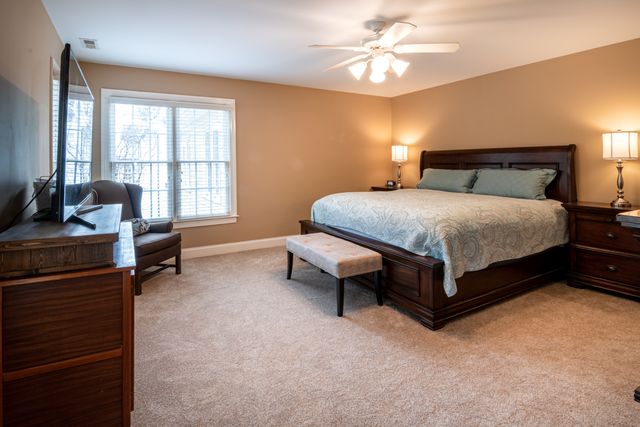
Standard Master Bedroom Size
A master bedroom is the largest bedroom in a home and often includes additional features like an ensuite bathroom or walk-in closet.
- Typical size: 200–400+ sq ft
- Dimensions: often 14×16 ft or larger
A well-designed master bedroom supports a spacious bedroom design with room for seating areas or workspaces.
Bedroom Size in Square Feet vs Square Meters
Bedroom sizes are measured in both square feet and square meters, depending on the country.
- 100 sq ft ≈ 9.3 m²
- 150 sq ft ≈ 13.9 m²
- 200 sq ft ≈ 18.6 m²
Regional Differences
- United States: Bedrooms are typically larger, averaging 120–200 sq ft
- United Kingdom: Often smaller, especially in older properties
- Apartments globally: Tend to prioritize efficiency, resulting in smaller bedrooms
Understanding bedroom size in square meters helps when comparing international listings or architectural plans.
Standard Bedroom Dimensions Chart
Here’s a simple reference for quick comparison:
| Bedroom Type | Square Feet | Square Meters | Example Dimensions |
|---|---|---|---|
| Small Bedroom | 80–120 | 7.4–11.1 | 8×10 ft |
| Standard Bedroom | 120–200 | 11.1–18.6 | 10×12 ft |
| Large Bedroom | 200–300 | 18.6–27.9 | 12×16 ft |
| Master Bedroom | 300–400+ | 27.9–37+ | 14×20 ft |
This bedroom dimensions chart is useful for comparing layouts and planning furniture.
Ideal Bedroom Layout Based on Size
Small Bedroom Layout Ideas
Small bedrooms require efficient planning:
- Use compact furniture
- Choose vertical storage
- Keep pathways clear
Medium Bedroom Space Planning
Medium-sized bedrooms offer more flexibility:
- Queen-size bed with side tables
- Small dresser or wardrobe
- Balanced walking space
Large Bedroom Layout Tips
Large bedrooms allow zoning:
- Sleeping area
- Seating or lounge area
- Workspace or reading nook
Bed Size vs Room Size: What Fits Comfortably?
Choosing the right bed size depends on room dimensions.
General guidelines:
- Twin bed: fits comfortably in 70–100 sq ft rooms
- Queen bed: ideal for 100–150 sq ft rooms
- King bed: best in 130–200+ sq ft rooms
Leave at least 24–36 inches of walking space around the bed for comfort and accessibility
Factors That Influence Bedroom Size
Several factors determine bedroom dimensions in homes:
- Location and housing market
- Architectural style
- Budget and construction cost
- Whether it’s a house or an apartment
- Historical building standards
These variables explain why the average room size in a house can differ widely.
Tips for Making a Small Bedroom Feel Bigger
Even a small bedroom can feel spacious with the right design choices:
- Use light colors to reflect natural light
- Add mirrors to create depth
- Choose multi-functional furniture
- Reduce clutter with smart storage solutions
- Keep floor space visible
These strategies improve both comfort and aesthetics in small bedroom dimensions.
Conclusion:
There is no single “perfect” standard bedroom size. The ideal dimensions depend on how the room will be used, the type of furniture you need, and the overall layout of your home.
Whether you’re working with a compact apartment or designing a spacious master suite, understanding average bedroom size, standard room dimensions, and layout principles helps you create a functional and comfortable living space.
FAQs
What is the average bedroom size in square feet?
The typical range is 120 to 180 square feet for standard homes.
Is 10×10 a good bedroom size?
It is small but functional for single occupancy.
Does bedroom size affect home value?
Yes, larger and well-designed bedrooms can increase property value.
What is the standard master bedroom size?
A master bedroom typically ranges from 200 to 400+ sq ft.
What size bed fits a standard bedroom?
A queen bed fits well in most standard bedrooms (100–150 sq ft), while king beds require larger rooms.