
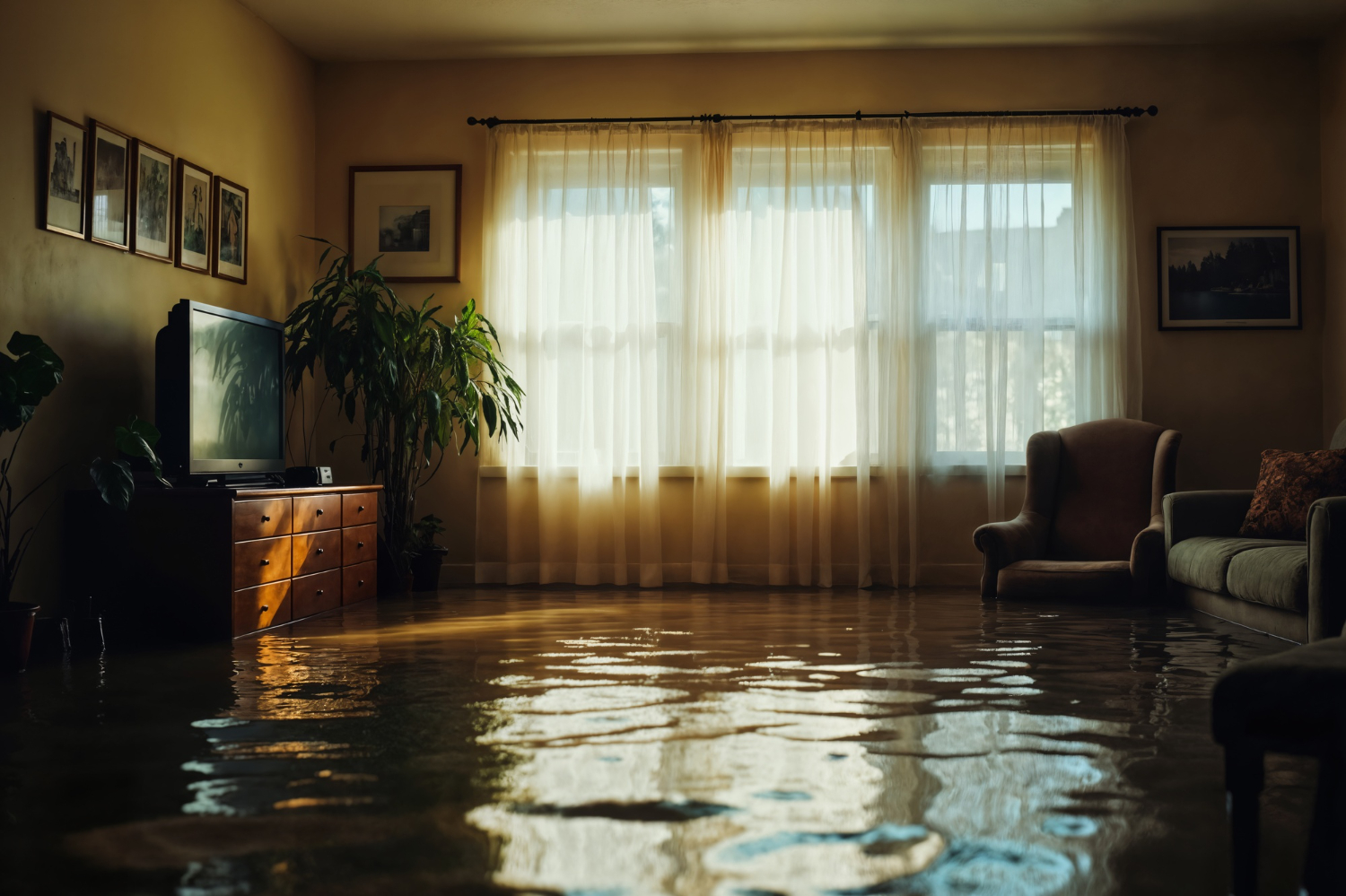
A flooded bedroom is a stressful emergency that demands immediate action, especially when water has soaked into your carpet. Left untreated, a flooded bedroom carpet can lead to mold growth within 24 to 48 hours, permanent flooring damage, and serious indoor air quality issues. Whether the flood stems from a burst pipe, roof leak, appliance malfunction, or weather event, knowing how to dry your carpet properly can save thousands in restoration costs and protect your family’s health.
In this comprehensive guide, we break down exactly how to dry a flooded bedroom carpet using proven, expert-recommended methods. Backed by restoration professionals, EPA guidelines, and real-world case data, this article delivers actionable steps, essential tools, realistic timelines, and prevention strategies—all optimized for homeowners facing this urgent situation.
Key Takeaways
- Mold can grow in wet carpet within 24–48 hours—act fast to prevent health and structural risks.
- Always cut power and wear PPE before entering a flooded bedroom to avoid electrical or contamination hazards.
- Use a wet-dry vacuum—not a regular vacuum—to safely extract standing water from soaked carpet.
- Remove and discard soaked padding; it traps moisture and is nearly impossible to fully dry or sanitize.
- For significant flooding, pull up carpet to dry the subfloor—trapped moisture breeds hidden mold.
- Dry subfloors thoroughly (≤15% moisture) with fans and a dehumidifier before reinstalling any flooring.
- Clean and disinfect all surfaces post-drying to eliminate bacteria and prevent future mold growth.
- Category 2 or 3 water (gray/black) requires professional remediation—do not attempt DIY cleanup.
- Most homeowner insurance covers sudden pipe bursts—but not storm floods or gradual leaks.
- Prevent future bedroom floods with leak detectors, roof maintenance, and knowing your water shut-off valve.
Understanding Flooded Bedroom Carpet Risks
Before diving into drying techniques, it’s critical to understand the severity of water damage in a bedroom. According to the Environmental Protection Agency (EPA), any indoor water intrusion should be addressed within 24 to 48 hours to prevent the growth of microorganisms. The Institute of Inspection, Cleaning, and Restoration Certification (IICRC) classifies water damage into three categories:
- Category 1 (Clean Water): From broken supply lines, sink overflows, or melting ice. Least hazardous, but can degrade quickly.
- Category 2 (Gray Water): From dishwashers, washing machines, or toilet overflow (urine only). Contains contaminants that can cause illness.
- Category 3 (Black Water): From sewage backups, floodwaters, or ground seepage. Highly unsanitary and dangerous.
Most flooded bedroom carpets involve Category 1 or 2 water, but if flooding is from external sources or sewage, professional remediation is non-negotiable.
Ignoring a wet carpet—even if it appears “just damp”—can result in:
- Mold and mildew growth under and within the carpet padding
- Rotting subfloor and floor joists
- Lingering odors and allergens
- Reduced property value
With that in mind, let’s explore the proper way to dry a flooded bedroom carpet.
Step 1: Ensure Safety First
Never enter a flooded bedroom without confirming it’s safe.
- Turn off the electricity at the main breaker if standing water is near outlets or wiring. Electrical hazards are a leading cause of injury during home floods.
- Wear protective gear: rubber boots, gloves, and an N95 mask to avoid inhaling mold spores or contaminants.
- Identify and stop the water source. Shut off the main water valve if the flood is plumbing-related.
Step 2: Remove Standing Water
The faster you extract water, the better your chances of saving the carpet.
- Use a wet-dry vacuum (also called a shop vac) to remove as much standing water as possible. Standard household vacuums are not designed for water and pose electrocution risks.
- For large volumes of water, consider renting a commercial-grade extractor from a hardware store ($40–$70 per day).
- Blot (do not rub) excess moisture with clean, absorbent towels or microfiber cloths.
Step 3: Pull Up the Carpet and Padding (If Severely Saturated)
Contrary to popular belief, leaving a soaked carpet in place—even with fans—often traps moisture underneath, creating a breeding ground for mold.
According to the IICRC S500 Standard for Professional Water Damage Restoration, carpet and padding that have been wet for more than 24 hours should be removed and replaced, especially if:
- The padding is soaked through
- The water is Category 2 or 3
- There’s an odor or visible discoloration
To remove the carpet:
- Use a utility knife to cut the carpet into manageable strips (typically 3–4 feet wide).
- Pull back sections from the corner opposite the door to avoid tracking water.
- Discard the padding—it is nearly impossible to fully dry and sanitize.
If the flood is minor (e.g., a small spill caught within an hour), you may be able to dry the carpet in place. But for any significant flood, removal is strongly advised.
Step 4: Dry the Subfloor Thoroughly
Once the carpet and padding are removed, focus on the subfloor (usually plywood or concrete).
- Use a moisture meter to check moisture levels. Acceptable levels are below 15% for wood subfloors.
- Place high-velocity air movers (floor fans) and a dehumidifier in the room. Position fans to blow across the floor surface, not downward, to maximize evaporation.
- Keep windows closed if outdoor humidity is high; instead, run a dehumidifier continuously.
- In most cases, subfloors take 24 to 72 hours to dry completely, depending on temperature, airflow, and initial saturation.
Step 5: Clean and Disinfect
After drying, clean all hard surfaces with a disinfectant approved by the EPA for mold and bacteria. The CDC recommends a solution of 1 cup of bleach per gallon of water for non-porous surfaces—but never mix bleach with ammonia or other cleaners.
For wood subfloors, consider using an antimicrobial treatment to inhibit future mold growth before reinstalling new flooring.
Step 6: Reinstall or Replace Carpet
Do not reinstall carpet until the subfloor is completely dry and moisture readings are normal. Premature reinstallation is the #1 cause of recurring mold issues.
If your carpet was soaked for less than 12 hours with clean water and shows no odor or staining, professional cleaning may salvage it. However, in most real-world scenarios, replacement is more cost-effective and hygienic.
When choosing new carpet, consider water-resistant options or area rugs that can be easily removed and cleaned in the future.
Essential Tools for Drying a Flooded Bedroom Carpet
Having the right equipment significantly improves drying efficiency:
- Wet-dry vacuum: For water extraction
- Dehumidifier (50-pint or larger): Removes moisture from the air
- High-velocity air movers: Speed up evaporation
- Moisture meter: Verifies dryness (available for $30–$60 online)
- Protective gloves, boots, and masks
Many of these can be rented from home improvement stores or restoration companies.
When to Call a Professional
While minor spills can be handled DIY, call a certified water restoration company if:
- The flood covers more than 10 square feet
- Water is from a sewage backup or outdoor flooding
- You see visible mold or smell mustiness
- The home has underlying health concerns (e.g., asthma, elderly residents)
- You’re unsure about electrical or structural safety
Companies certified by the IICRC follow industry standards and often work directly with insurance providers. According to HomeAdvisor, the average cost for professional water damage restoration ranges from $1,200 to $5,000, but this includes drying, cleaning, and mold prevention—often saving more in the long run.
Preventing Future Floods in the Bedroom
Though bedrooms are less prone to flooding than kitchens or bathrooms, risks still exist:
- Roof leaks during storms
- Condensation from poor ventilation
- Plumbing in adjacent walls or upper floors
- HVAC condensate line clogs
Preventive measures include:
- Regular roof and gutter inspections
- Installing water leak detectors near bedroom walls or ceilings
- Ensuring proper attic and wall insulation to reduce condensation
- Knowing the location of your main water shut-off valve
FAQs: How to Dry a Flooded Bedroom Carpet
How long does it take to dry a flooded bedroom carpet?
Drying time depends on the extent of water, humidity, temperature, and airflow. Minor spills may dry in 12–24 hours with fans. Fully saturated carpets and padding typically require 48–72 hours of professional-grade drying—or removal and replacement.
Can I save my carpet after a flood?
If the carpet was exposed to clean water (Category 1) for less than 12 hours and shows no odor or staining, it may be salvageable with professional cleaning. However, padding almost always needs replacement. For any gray or black water, both carpet and padding should be discarded.
Will my homeowners’ insurance cover a flooded bedroom?
Most standard policies cover sudden and accidental water discharge (e.g., burst pipe) but not gradual leaks or flooding from external sources like storms (which require separate flood insurance). Always document damage with photos and contact your insurer immediately.
Is mold a real concern after a flooded bedroom carpet?
Yes. The CDC and EPA confirm that mold can begin growing on damp materials within 24 to 48 hours. Mold exposure can trigger allergies, asthma, and respiratory issues, especially in children and the elderly.
Do I need to replace the subfloor after a flood?
Not always. If the subfloor is dried within 48 hours and moisture readings are below 15%, it can usually be salvaged. However, if the wood is soft, warped, or shows signs of rot, replacement is necessary to maintain structural integrity.
Final Thoughts
A flooded bedroom carpet is more than a nuisance: it’s a potential health and structural hazard that requires prompt, informed action. By following these expert-backed steps, you can mitigate damage, avoid costly mistakes, and restore your bedroom safely. Remember: speed, thorough drying, and knowing when to call a professional are the keys to successful recovery.
Explore more tips and tricks:
7 Causes & Quick Fixes Of Flooded Laundry Room
Why Your Kitchen Smells Bad & How to Fix