
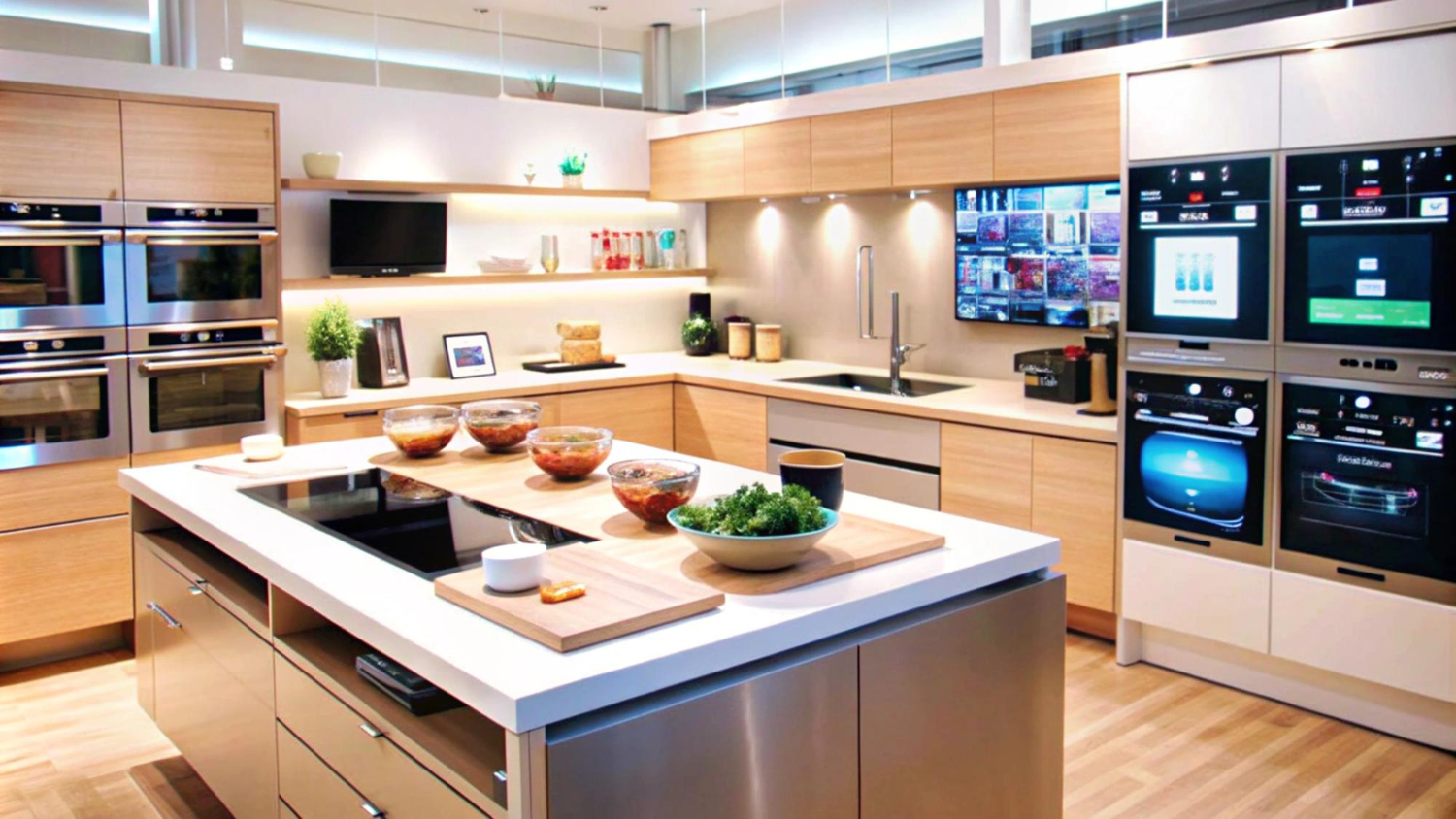
In 2025, the heart of the home—the kitchen—is undergoing a quiet revolution. Gone are the days when a kitchen was just a place to store food and cook meals. Today, homeowners face a pivotal choice: stick with the familiar reliability of a traditional kitchen or embrace the high-tech efficiency of a smart kitchen.
But what really separates the two? Is it just about gadgets and voice assistants? Or are we talking about a fundamental shift in how we live, eat, and even think about our homes?
In this in-depth comparison, we’ll break down the real differences between smart and traditional kitchens using real-world insights, expert-backed data, and practical considerations.
What Defines a Traditional Kitchen?
A traditional kitchen relies on standard appliances, manual operation, and time-tested design principles. Think gas stoves, standalone refrigerators, wooden cabinets, and countertops made of granite or laminate. There’s no Wi-Fi, no app control, and no AI—just functional, dependable tools that have served households for decades.
Core Characteristics:
- Manual controls (knobs, buttons, switches)
- Non-connected appliances
- Focus on craftsmanship, materials, and classic aesthetics
- Lower upfront cost (generally)
- Minimal tech maintenance
Traditional kitchens prioritize simplicity, durability, and familiarity. They’re easy to use, repair, and understand—ideal for those who value hands-on cooking and timeless design.
What Exactly Is a Smart Kitchen?
A smart kitchen integrates internet-connected devices, automation, and data-driven features into every aspect of food storage, preparation, and cleanup. It’s not just a “smart fridge”—it’s an ecosystem.
From cabinets that track expiration dates to ovens that preheat via your phone, smart kitchens use IoT (Internet of Things) technology to streamline daily tasks, reduce waste, and enhance safety.
Core Components:
- Wi-Fi-enabled appliances (refrigerators, ovens, dishwashers)
- Voice assistant integration (Alexa, Google Assistant, Siri)
- Smart lighting and climate control
- Touchless faucets & self-sanitizing surfaces
- AI-powered meal planning and inventory tracking
- Energy monitoring and usage optimization
Smart kitchens are designed for convenience, efficiency, and personalization—especially for busy families, tech-savvy users, and those investing in future-ready homes.
Side-by-Side Comparison: Smart Kitchen vs. Traditional Kitchen
Let’s examine the key differences across six critical dimensions.
Convenience & Daily Functionality
Traditional Kitchen:
You open the fridge to check if you’re out of milk. You manually set the oven timer. You wash dishes by hand or load a basic dishwasher without scheduling.
Pros: No learning curve. Fully manual control. No dependency on apps or internet.
Cons: More repetitive tasks. Less automation = more time spent on chores.
Smart Kitchen:
Your fridge sends a low-milk alert to your phone. Your oven preheats while you’re still at work. Your dishwasher runs during off-peak electricity hours automatically.
Pros: Saves time. Reduces mental load. Automates routine tasks (e.g., restocking, cleaning cycles).
Cons: Requires tech literacy. Potential for app glitches or connectivity issues.
Expert Insight:
The biggest value of smart kitchens isn’t the ‘wow’ factor—it’s the reduction in cognitive load. Families report spending 15–30 fewer minutes per day on kitchen management.
— Dr. Lena Chen, Home Technology Researcher, MIT Media LabCost: Upfront vs. Long-Term Value
Cost: Upfront vs. Long-Term Value
| Factor | Traditional Kitchen | Smart Kitchen |
| Initial Cost | $10,000–$30,000 (avg. remodel) | $25,000–$60,000+ |
| Appliance Cost | Standard fridge: $800–$1,500 | Smart fridge: $2,500–$5,000 |
| Maintenance | Simple repairs; widely available parts | May require certified tech support; software updates |
| Energy Savings | Moderate | High (smart devices optimize usage) |
| Resale Value | Steady | Increasing—72% of buyers prefer smart-ready homes (NAR, 2025) |
Verdict: Smart kitchens cost more upfront but may offer better ROI through energy savings, reduced food waste, and higher home value—especially in tech-forward markets.
Energy Efficiency & Sustainability
mart kitchens shine here. Modern smart appliances are ENERGY STAR® certified and use adaptive technology to minimize waste.
- A smart fridge adjusts cooling based on door-open frequency and ambient temperature.
- Smart dishwashers detect soil levels and use only the water needed.
- LED lighting with motion sensors cuts unnecessary power use.
In contrast, traditional kitchens rely on fixed settings. A 10-year-old fridge may use 30–50% more energy than a new smart model.
Data Point:
U.S. Department of Energy (2024) estimates that fully smart kitchens can reduce household energy use by 12–18% annually.
Customization & Personalization
Traditional: Customization is aesthetic—cabinet style, backsplash, countertop material. Functionally, it’s one-size-fits-all.
Smart: Your kitchen learns your habits.
- Suggests recipes based on what’s in your fridge.
- Adjusts lighting color temperature for morning vs. evening.
- Creates shopping lists synced with your dietary goals (keto, vegan, etc.).
This level of personalization is impossible in traditional setups—unless you’re willing to track everything manually.
Security & Safety
Smart kitchens offer advanced safety features:
- Leak detection under sinks or behind dishwashers
- Automatic gas shutoff if a stove is left on
- Remote monitoring via security cameras (e.g., check if the oven is off while at work)
Traditional kitchens depend on user vigilance. No alerts. No remote control. A forgotten burner could become a hazard.
However, smart kitchens introduce cybersecurity risks. Poorly secured devices could be hacked (though major brands like Samsung, LG, and Bosch now use end-to-end encryption).
Best Practice: Always update firmware and use strong passwords on smart kitchen networks.
Longevity & Future-Proofing
Traditional kitchens can last 20–30 years with proper care. But they don’t evolve.
Smart kitchens are upgradable:
- Cloud-based software updates add new features
- Modular designs allow swapping components (e.g., replace a smart drawer, not the whole cabinet)
- Compatible with emerging standards like Matter (ensuring cross-brand interoperability)
But beware: tech obsolescence is real. A 2020 smart fridge may not support 2028 apps.
Pro Tip: Choose brands committed to 10+ years of software support (e.g., GE Profile, Miele, Siemens).
Who Is Each Kitchen Best For?
Choose a Traditional Kitchen if you:
- Prefer simplicity and tactile control
- Are on a tight budget
- Live in an area with unreliable internet
- Enjoy hands-on cooking as a mindful practice
- Plan to stay in your home long-term and dislike tech upgrade
Choose a Smart Kitchen if you:
- Value time-saving automation
- Are comfortable with apps and voice tech
- Want to reduce food/energy waste
- Are you building or renovating in 2025–2030
- Plan to sell your home within 5–10 years (boosts appeal)
Real User Experiences: What Homeowners Say
Sarah T., Denver, CO – Smart Kitchen Owner:
“I used to forget to defrost chicken all the time. Now my fridge reminds me the night before. It’s small, but it’s changed my weeknight stress level.”
Mark R., Austin, TX – Remodeled Traditional Kitchen:
“I tried a smart oven, but I kept second-guessing if it was really off. I went back to knobs. Less anxiety.”
Priya L., Seattle, WA – Hybrid Setup:
“I kept my classic cabinets and countertops but added a smart fridge and touchless faucet. Best of both worlds.”
Conclusion:
The smart kitchen vs. traditional kitchen debate isn’t about “better” or “worse”—it’s about fit.
As we move deeper into 2025, smart kitchens are becoming more intuitive, affordable, and secure. Yet the warmth, reliability, and tactile joy of a traditional kitchen remain deeply appealing.
Ask yourself:
“Do I want my kitchen to save me time—or give me a place to slow down?”
FAQs: Smart Kitchen vs. Traditional Kitchen
Q: Do I need a smart home system to have a smart kitchen?
A: No. Many smart kitchen devices work independently via Wi-Fi and their own apps (e.g., Samsung Family Hub fridge). However, integration with Alexa/Google enhances functionality.
Q: Can smart kitchens work during a power outage?
A: Basic functions (like opening a fridge) may work, but smart features (screens, app control) require electricity and internet. Consider a UPS backup for critical devices.
Q: Are smart kitchens harder to clean?
A: Not necessarily. Many feature anti-fingerprint surfaces, self-cleaning ovens, and touchless faucets—making them easier to maintain than traditional counterparts.
Q: Will my smart kitchen become obsolete in 5 years?
A: Possibly—but choose brands with long software support and modular designs to extend usability. Also, focus on interoperable standards like Matter.