
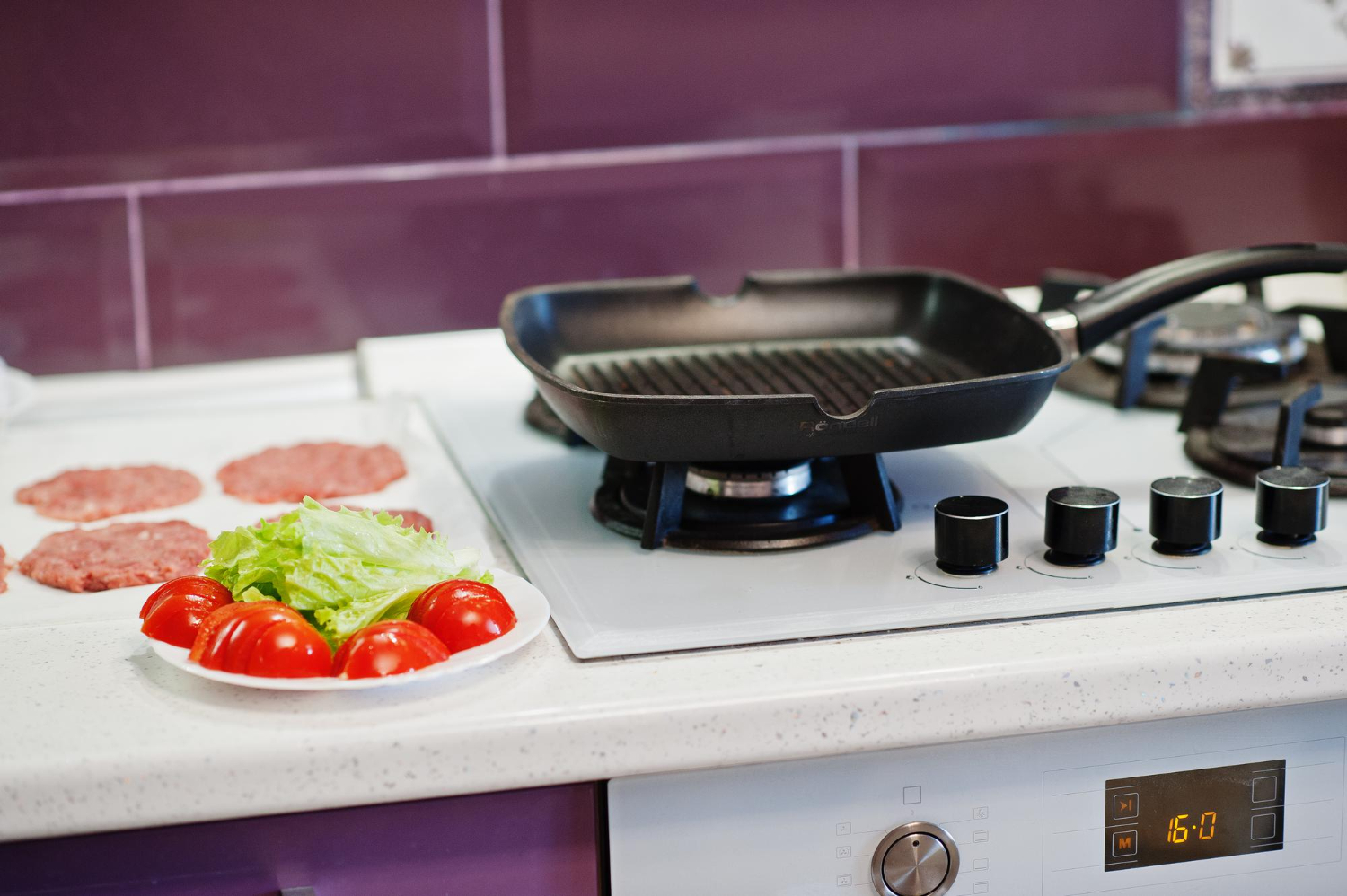
The stove is the heart of every kitchen, and its placement affects safety, workflow, and style. Choosing the right spot ensures cooking efficiency, reduces accidents, and improves visual balance. In 2025, more homeowners are paying attention to kitchen ergonomics, aesthetic layouts, and safety standards than ever before.
This guide explains how to pick the perfect stove location using expert advice, layout psychology, and practical solutions. By following this guide, you can create a kitchen that is safe, stylish, and convenient.
Understanding the Role of Stove Placement in Kitchen Design
A stove’s position directly influences kitchen efficiency, comfort, and safety. The wrong placement can lead to accidents, poor ventilation, and disrupted workflow. Correct positioning enhances both function and design.
Why Stove Placement Affects Workflow
- Reduces walking between the sink, fridge, and prep areas.
- Ensures smoother multitasking during meal prep.
- Minimizes unnecessary bending or stretching.
Common Mistakes People Make
- Putting the stove too close to the curtains or the walls.
- Placing it in tight corners with limited space.
- Overlooking ventilation requirements.
How Stove Location Impacts Ventilation
- Proper placement ensures smoke and steam are vented efficiently.
- Reduces heat accumulation around the cooking area.
- Supports cleaner air and prevents lingering odors.
Safety First — Critical Rules You Must Follow
Safety is the most important factor when deciding on stove placement. These rules protect your family and improve long-term usability.
Minimum Distance Requirements
- Maintain at least 12–18 inches from walls.
- Keep 24 inches from windows with curtains.
- Leave 3 feet between the stove and the sink for safety.
Vent Hood Positioning
- Install hood 24–30 inches above the cooktop.
- Center hood to improve suction.
- Use ducted vent systems for optimal airflow.
Keeping Kids and Pets Safe
- Avoid placing the stove in high-traffic areas.
- Use back burners when possible.
- Install knob locks for added safety.
The Kitchen Triangle — Classic Rule for Perfect Stove Placement
The kitchen triangle connects the stove, sink, and refrigerator for efficient movement. This rule remains vital because it minimizes steps and reduces accidents.
Why the Triangle Still Works
- Encourages balanced movement.
- Reduces cooking fatigue.
- Helps organize prep, cooking, and cleaning areas.
Recommended Distances
- Each triangle leg: 4–9 feet.
- Total triangle perimeter: 13–26 feet.
- Avoid placing paths through high-traffic zones.
Triangle vs. Work Zones
- Triangle works for compact kitchens.
- Work zones suit large, open kitchens.
- A combination approach improves both flow and safety.
Style Matters — How Stove Placement Shapes Your Kitchen
Stove placement also affects your kitchen’s aesthetic appeal. Correct positioning creates symmetry, highlights design elements, and integrates appliances with décor.
Creating a Focal Point
- Center the stove on a wall or island.
- Use bold hood design to draw attention.
- Add a textured or colorful backsplash.
Minimalist Kitchens
- Align the stove with the counters for smooth lines.
- Keep hardware simple and unobtrusive.
- Flat hood designs complement a minimalist look.
Traditional Kitchens
- Stove placement supports classic symmetry.
- Decorative molding above the hood adds character.
- Warm-toned tiles enhance visual harmony.
Best Stove Placement Options Based on Kitchen Layout
Kitchen layout determines the best stove placement. Each design requires tailored solutions to maximize safety and style.
U-Shaped Kitchen
- Place the stove on the central wall.
- Ensure counter space on both sides.
- Add a strong hood with proper ducting.
L-Shaped Kitchen
- Position the stove on the longer wall.
- Avoid placing it in corners.
- Keep the stove near the prep area but away from high traffic.
Small Kitchen or Apartment
- Use a wall-mounted hood for compact spaces.
- Install the stove near outlets for safety.
- Maintain 12 inches of landing space on the sides.
Island Stove Placement
Pros:
- Creates a modern, stylish focal point.
- Opens space for social cooking.
- Allows multitasking with prep and dining areas.
Cons:
- Requires expensive venting solutions.
- Needs wider clearance for safety.
- Risk of spills from multiple directions.
Expert Recommendations
Expert guidance ensures your stove placement is both safe and practical. Professionals rely on building codes, kitchen ergonomics, and industry standards.
Professional Tips
- Position the stove where the airflow is strongest.
- Center the stove on the walls for balance.
- Use ducted vent systems when possible.
Safety Codes Experts Follow
- Maintain a minimum counter clearance of 15 inches.
- Avoid curtains or flammable materials near the stove.
- Install proper GFCI outlets for safety.
Mistakes Experts Avoid
- Stove behind the entry door or in tight corners.
- Using weak or recirculating hoods.
- Placing the stove too close to the fridge or sink.
Why Stove Placement Trends Are Growing Fast
Modern kitchens emphasize both function and design, making stove placement critical. Growth is fueled by lifestyle changes, safety awareness, and social media influence.
- Increased focus on cooking safety.
- Growing popularity of open and island kitchens.
- Rising interest in minimalist and ergonomic designs.
- Social media shows aesthetic kitchens driving trends.
- Energy efficiency and ventilation awareness are increasing.
Role of AI in Stove Placement Planning
AI tools help homeowners and designers optimize stove placement for safety, efficiency, and style.
How AI Helps
- Generates layout options based on kitchen dimensions.
- Predicts optimal stove distances for workflow.
- Suggests ventilation and hood requirements.
- Creates 3D mockups of stove placement impacts.
What AI Cannot Replace
- Human judgment on aesthetics and style.
- Emotional and personal design preferences.
- On-site evaluation of lighting and space constraints.
- Expert knowledge of local building codes.
Future Balance
AI will provide layout suggestions while humans maintain creative control and safety oversight.
Future Outlook Through 2030
As kitchens evolve, stove placement trends will continue to prioritize safety, efficiency, and style.
What Will Increase
- Island stoves in modern kitchens.
- Integration of heat-reflective materials.
- Smart layouts guided by AI tools.
- Popularity of ergonomic design principles.
What Will Stay the Same
- Importance of workflow efficiency.
- Safety and clearance standards.
- Triangle principle for compact kitchens.
Predictions
- Smart kitchens with automated ventilation will gain traction.
- Designers will integrate stove placement with overall home automation.
- Homeowners will continue seeking safe and stylish kitchens.
Conclusion:
Choosing the right stove placement is essential for both safety and style. A well-placed stove improves workflow, reduces risks, and enhances the visual appeal of your kitchen. Whether you have a small apartment kitchen, a U-shaped space, or a modern island layout, following expert guidelines ensures your stove is both functional and beautiful.
Safety rules, proper clearance, ventilation, and workflow principles should guide your decisions. Minimalist or traditional styles both benefit from careful stove positioning, while AI tools help plan layouts more efficiently.
By focusing on ergonomics, aesthetics, and practicality, you can create a kitchen that is not only visually appealing but also safe and efficient for everyday cooking.