Creating a cozy home is more than choosing furniture or placing décor, it’s about crafting an atmosphere that feels warm, inviting, and emotionally comforting. Among all interior elements, wooden wall panels stand out as one of the most effective ways to instantly transform a space. Wood brings natural warmth, texture, and character that no other material can replicate. From rustic charm to sleek modern designs, wooden panels offer timeless beauty and a calming sensory effect. Whether you’re upgrading a bedroom, living room, hallway, or even a bathroom, wooden wall panels can elevate any area into a serene sanctuary perfect for relaxation.
What Are Wooden Wall Panels & Why Are They Popular?
Wooden wall panels are decorative wall coverings made from solid wood, engineered wood, or composite materials designed to add depth, character, and warmth to a room. They have become increasingly popular because homeowners now prefer cozy, natural-inspired interiors over cold, minimalist designs. The grain, color, and organic texture of wood create emotional calmness while also helping with insulation, acoustics, and durability. Another reason for their rise in popularity is their versatility they work beautifully in bedrooms, dining rooms, kitchens, offices, and even commercial spaces. Whether you love modern minimalism or classic vintage charm, wooden panels adapt to any décor style effortlessly.
Benefits of Wooden Wall Panels for a Cozy Home
Wooden wall panels provide several functional and aesthetic benefits that make your space instantly feel warm and welcoming. Their natural texture adds visual softness, while the warm tones of oak, walnut, teak, or pine create an emotional sense of comfort. Beyond beauty, wood helps regulate temperature, reduce noise, and improve insulation for a peaceful home environment. These panels also enhance durability, hiding wall imperfections like cracks or damp patches. Additionally, wooden panels age gracefully, often looking better with time. With easy maintenance, long life, and a variety of options from slatted panels to rustic planks they offer both elegance and practicality for modern homes.
Types of Wooden Wall Panels (With Details & Use-Cases)
Choosing the right type of wooden wall panel depends on your room size, décor style, and budget. Each type offers unique benefits and creates a different mood. For cozy interiors, warmer wood tones and textured finishes work beautifully. Here are the most popular types:
Solid Wood Panels
These panels are made from natural wood like oak, walnut, or teak. They offer unmatched luxury, warmth, and richness. Ideal for accent walls, bedrooms, and living rooms.
MDF or Engineered Wood Panels
Affordable and smooth, perfect for painted or modern minimalist designs. They offer versatility without a high price tag.
3D Wooden Wall Panels
These add depth and drama to walls. Great for focal points in living rooms and entryways.
Slatted W Wood Panels
Eco-friendly and full of rustic charm, they add history and natural warmth to your interiors.
How Wooden Wall Panels Make Your Home Feel Cozy
Wood naturally brings warmth its texture, earthy tone, and organic feel create emotional comfort. Whether used on a single wall or throughout a room, wood helps block harsh echoes, making the environment quieter and more serene. The grain patterns and natural imperfections add character, transforming plain walls into inviting surfaces. Moreover, wood pairs well with warm lighting, soft fabrics, and indoor plants, enhancing the cozy ambiance of the space. In cooler climates, wooden panels help improve insulation, making the room physically warmer. In warmer regions, light-tone wooden panels visually soften the heat and create a soothing, farmhouse-inspired feel.
Best Rooms to Install Wooden Wall Panels
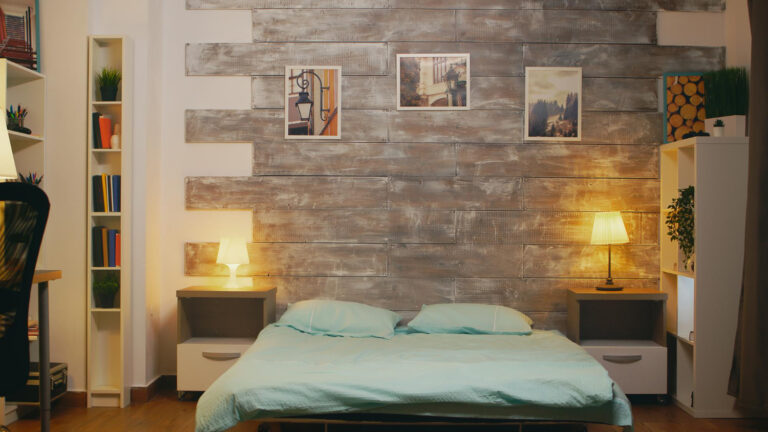
Wooden wall panels work in nearly every part of the home, as long as the design matches the room’s function and size. They make small rooms feel warm and inviting, while making large spaces feel structured and luxurious. Panels can elevate bedrooms, living rooms, dining areas, hallways, offices, and even kitchens. For bedrooms, panels behind the headboard create a calming retreat. In living rooms, they create stunning media walls. For dining rooms, wood sets an elegant, intimate tone. Even bathrooms can use waterproof wooden panels to create a spa-like atmosphere. The key is selecting the right type of wood and finish for each environment.
Wooden Panel Ideas for Different Climates
Warm Countries (Pakistan, India, UAE, Saudi Arabia, Malaysia)
Homes in warmer climates benefit from lighter wood tones such as pine, ash, and birch. These shades reflect light and prevent rooms from feeling heavy or hot. Slatted panels with breathable spacing are ideal because they prevent visual density. Light wooden accents paired with breezy curtains and neutral furniture create a refreshing yet cozy ambiance perfect for tropical or desert regions.
Cold Countries (UK, Canada, USA, Europe)
Darker tones like walnut, mahogany, and oak work beautifully in cold climates as they enhance the warmth of a room. You can use full-wall wooden cladding, rustic wooden planks, or reclaimed barnwood panels to add physical and visual warmth. Combine wood with warm lighting, textured throws, and plush rugs for a deeper sense of comfort during winter seasons.
High-Moisture Areas (Coastal Regions)
Choose waterproof wooden panels or engineered wood with moisture resistance. Teak is particularly suitable for humid environments as it resists decay naturally. Lighter wood tones also work well in coastal homes, enhancing brightness and airy vibes.
How to Choose the Right Wooden Wall Panel Design
Selecting the perfect wooden panel requires considering your room’s size, color palette, lighting, and overall décor theme. For small rooms, choose vertical slatted panels to create height. For large spaces, horizontal planks make the room appear longer and more grounded. Rooms with low natural light benefit from lighter woods to avoid feeling dense. Homes with modern décor should choose clean, sleek panels, while rustic or traditional homes benefit from textured or reclaimed wood. Always consider that your furniture color should complement, not clash. Warm lighting also enhances the beauty of wooden panels, so plan your lighting layout before installation.
Best Wooden Wall Panel Color Schemes (Designer-Approved)
Combining wooden wall panels with the right color palette creates a cozy, harmonious environment. Here are designer-recommended combinations:
- Warm Beige + Light Wood
Perfect for serene, Scandinavian-inspired rooms.
- Soft Grey + Walnut
Ideal for modern luxury interiors.
- White + Pine
Bright, clean, and cozy great for small rooms.
- Charcoal + Oak
Dramatic yet warm, suitable for contemporary homes.
- Olive Green + Teak
Nature-inspired and calming; perfect for bedrooms.
Lighting Tips to Enhance Wooden Wall Panels
Lighting can dramatically impact how wood looks. Warm-white LED strips, wall washers, and spotlights highlight wood grains and enhance depth. For slatted panels, backlighting can create a stunning three-dimensional effect. In living rooms, pair wood with floor lamps to create evening coziness. In bedrooms, warm bedside lights make the wood feel softer and more relaxing. Avoid cool fluorescent lights as they flatten the look of the wood, making it appear dull. If natural light is available, position wooden panels where morning or afternoon sunlight can catch the grain patterns beautifully.
Common Mistakes to Avoid With Wooden Panels
Although wooden panels elevate interiors, some mistakes can reduce their impact. Using dark wood in small spaces can make rooms feel cramped. Overusing wood can create heaviness; it’s best to balance it with lighter textiles, wall art, or rugs. Installing wooden panels without moisture treatment can lead to damage in humid areas. Poor lighting can make wood look flat. Never ignore the furniture color palette; mismatched tones can create visual clutter. Also, avoid placing wooden panels on walls exposed to direct sunlight for long hours, as they may fade over time without proper finishing.
Maintenance Tips for Long-Lasting Wooden Panels
Wooden panels are durable but need proper care. Dust them weekly using a soft cloth or vacuum with a brush attachment. Avoid harsh cleaners use mild wood-safe products. Apply polish every few months to maintain shine and prevent drying. If installed in humid areas, use a dehumidifier to prevent swelling or mold. For reclaimed wood, periodic oiling enhances texture and richness. Also, check for loose slats or nails and fix them promptly. With proper care, wooden panels age beautifully, often developing richer character over time.
Conclusion
Wooden wall panels are one of the most powerful interior upgrades for creating a warm, inviting, and emotionally relaxing home. Their natural texture, visual warmth, and timeless beauty make them perfect for any décor style from modern luxury to rustic charm. With the right type, tone, and placement, wooden panels can transform bedrooms, living rooms, hallways, and even bathrooms into cozy sanctuaries. Whether you live in a warm region like Pakistan or a cold climate like Canada, wooden panels adapt beautifully to your environment. With proper care, they remain durable, stylish, and comforting for years.