The Herati rug is one of the most famous and respected types of traditional carpets. The Herati rug design has endured through the years due to its intricate repeating patterns, balanced symmetry, and profound cultural significance. For hundreds of years, people have seen it in homes, palaces, and collections.
In this in-depth guide, we’ll go over what makes a rug a Herati rug, what the Herati rug’s meaning is, and some important design features. We’ll also show you how to tell if a rug is real, whether you’re decorating a modern living room or buying a traditional piece.
Short Summary For Readers:
| Herati rugs have repeating diamond patterns with fish or leaf designs that are meant to represent balance and wealth. The Herati rug design is based on tradition and has a timeless beauty, cultural significance, and versatility that make it work in both modern and classic spaces. |
Key Takeaways:
| > A Herati rug is defined by a central diamond motif surrounded by paired fish or leaf shapes > The Herati pattern symbolizes balance, protection, and prosperity > Authentic Herati carpets feature repeating all-over designs, not large central medallions > Herati rugs work beautifully in both traditional and modern interiors > Choosing the right rug size is just as important as choosing the right pattern |
What Is a Herati Rug?
A Herati rug is a type of traditional carpet known for its diamond-shaped motif and repeating geometric pattern. Although the shapes are more appropriately stylized leaves or floral elements, this pattern is frequently referred to as a “fish design.”
A Herati carpet has an all-over pattern, which means the design repeats uniformly throughout the entire rug surface, in contrast to striking medallion rugs. This gives the rug a balanced and calming look, which makes it good for many places.
The Herati design has been woven into the fabric of Persia, Central Asia, and nearby areas for many generations.
The History of the Herati Design
Historical Background
The Herati pattern is thought to have come from the historic city of Herat, which is now in Afghanistan. After it spread to Persian weaving areas, the pattern became one of the most popular in traditional rug-making.
The motif became a symbol of expert craftsmanship rather than a fad as artisans improved it over centuries while maintaining its fundamental structure.
Cultural Importance
The Herati rug design has endured for a very long time because it has significance. Rugs were more than just ornamental objects in traditional cultures; they served as protectors, storytellers, and prosperity symbols.
A Herati carpet often represented:
- Harmony in the home
- Protection from negative energy
- Abundance and continuity
This symbolic depth adds emotional and cultural value beyond aesthetics.
Key Design Elements That Define a Herati Rug
It’s much easier to tell if a Herati rug is real if you know what each part is.
The Central Diamond Motif
A diamond or lozenge shape is always in the middle of a Herati pattern. This central shape holds the design together and is the base for the other parts to see.
The diamond is often interpreted as:
- A symbol of protection
- A representation of balance and order
- The Paired Fish or Leaf Motifs
Around the diamond, four curved shapes look like fish or leaves. The Herati rug is famous for its “fish pattern” name because of these paired patterns.
In traditional symbolism:
- Fish represent life and abundance
- Leaves represent growth and renewal
Together, they reinforce the idea of prosperity and continuity.
Repeating Pattern Structure
The pattern on a Herati rug is different from that of other rugs because it repeats evenly across the whole field. This pattern gives the rug rhythm and visual harmony, which makes it feel structured without being too much..This design approach is especially useful for larger spaces, where consistency matters.
To maintain pattern balance, always calculate your rug size before placing a Herati rug in your living room or dining area.
Border Design Characteristics
The borders of a Herati carpet are very detailed but also well-organized. They make the central field look better without taking over.
Common features include:
- Floral vines
- Geometric guard borders
- Repeating small motifs that echo the main pattern
The border’s role is to contain the design and make it more symmetrical.
Herati Rug Design vs Other Persian Rug Patterns
Herati vs Medallion Rugs
Medallion rugs have a big central point, while Herati rugs use repetition. The Herati pattern is better if you like subtle elegance over bold drama.
Herati vs Floral Rugs
Floral rugs often feel natural and flowing. In contrast, Herati rugs have a structured and rhythmic feel, which makes them great for places that need visual order.
Why Herati Is Considered a Classic Pattern
The Herati design is timeless because it balances:
- Geometry and softness
- Detail and simplicity
- Tradition and versatility
This makes it suitable for both antique collectors and modern homeowners.
Color Schemes Common in Herati Rugs
Traditional Herati carpets often feature:
- Deep reds
- Navy blues
- Ivory and beige backgrounds
These colors were historically created using natural dyes, contributing to the rug’s longevity and richness.
Modern Herati rugs may include:
- Muted greys
- Soft neutrals
- Contemporary palettes
Despite color updates, the core Herati rug design remains unchanged.
Why Collectors Like Herati Rugs:
Collectors like Herati rugs because they combine timeless beauty, cultural meaning, and lasting value. The Herati pattern is one of the oldest and most recognizable designs in Persian rug weaving, which gives it strong historical importance.
The repeating floral and fish-like motif creates a balanced and calming look that never feels outdated. Unlike trendy designs, Herati rugs remain attractive for decades, making them a favorite among serious collectors.
Collectors also appreciate Herati rugs for their high craftsmanship. Weavers must maintain perfect symmetry across the entire rug, which requires skill and experience. This precision increases both the artistic and monetary value of the rug.
Another reason collectors value Herati rugs is their durability. Many antique Herati rugs are still in excellent condition today, proving their long-lasting quality. Because of this, collectors often see Herati rugs as both art and investment pieces.
Where Herati Rugs Are Made
Herati rugs originated in the historic region of Herat, located in present-day Afghanistan. Over time, the Herati design spread across Persia (modern-day Iran) and became popular in several major rug-weaving cities.
Today, artisans produce Herati rugs in regions such as:
- Kashan
- tabriz
- Bidjar
- Isfahan
- Hamadan
Each region adds its own character to the Herati pattern. For example, Tabriz Herati rugs often feature finer details, while Bidjar versions are known for their heavier weave and strength.
Despite regional differences, all authentic Herati rugs share the same core pattern structure. This widespread production across respected weaving centers increases the design’s prestige and availability in both antique and modern markets.
Common Colors and Materials Used in Herati Rugs
Herati rugs traditionally use rich, natural colors that enhance the elegance of the pattern. The most common background color is deep navy blue, which helps the lighter motifs stand out clearly.
Other frequently used colors include:
- Ivory and cream
- Red and rust
- Light and dark green
- Soft beige and gold accents
Weavers often use natural dyes made from plants, roots, and minerals. These dyes age beautifully over time, giving older Herati rugs a soft and desirable patina.
In terms of materials, Herati rugs usually feature:
- Wool pile for durability and warmth
- Cotton foundation for structure
- Silk highlights in finer or luxury pieces
High-quality wool allows the rug to resist wear, while silk adds shine and detail to the design. This combination of strong materials and thoughtful color choices makes Herati rugs both practical and visually striking.
How to Identify an Authentic Herati Rug
Visual Clues
- Clearly defined diamond motifs
- Balanced, repeating patterns.
- Consistent spacing throughout the rug
Weaving and Craftsmanship
Authentic Herati carpets are typically hand-knotted, featuring:
- Visible knot structure on the back
- High knot density
- Wool or silk fibers
Common Imitations to Watch For
Machine-made rugs may copy the look but lack:
- Precision in motif alignment
- Depth in texture
- Long-term durability
Common Misconceptions About Herati Rugs
- All Fish-Pattern Rugs Are Herati
- Not true. While fish-like motifs are common, the diamond-centered structure is essential to Herati design.
- Herati Rugs Are Old-Fashioned
- In reality, Herati rugs adapt beautifully to modern spaces, especially minimalist interiors.
- Modern Herati Rugs Aren’t Authentic
- Authenticity depends on design integrity, not age.
Where Herati Rugs Work Best in Home Décor
Living Rooms
Herati rugs add warmth and structure, making them ideal for seating areas.
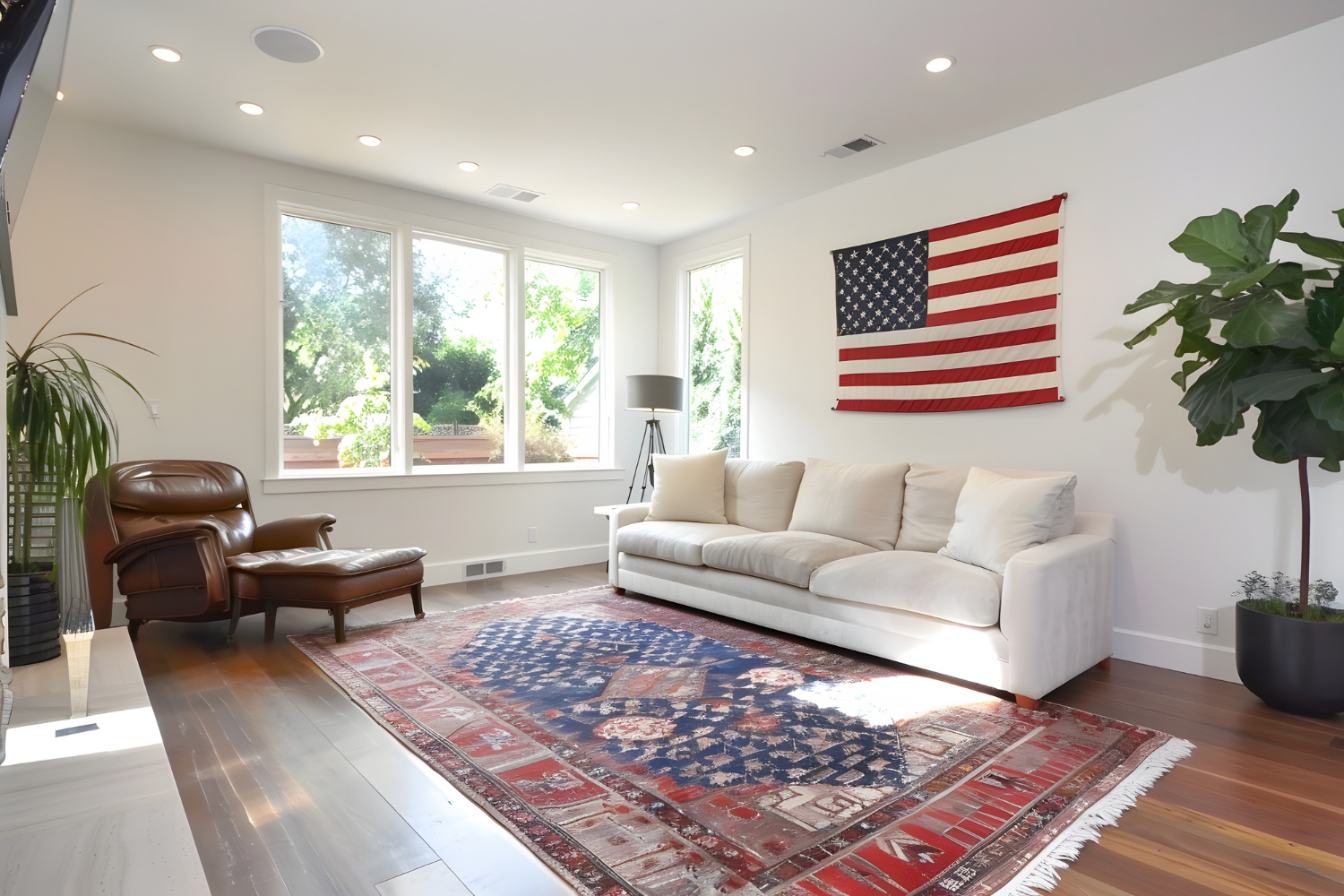
Before placing your rug, calculate your rug size to ensure the sofa legs align correctly with the pattern.
Bedrooms
The repeating design creates a calming, grounded atmosphere.
Traditional vs Modern Interiors
Herati carpets bridge both worlds—pairing well with antique furniture or sleek contemporary décor.
Important Notes Before Buying a Herati Rug
- Measure your space accurately
- Consider furniture placement
- Choose colors that complement your room.
- Plan for long-term maintenance
Conclusion:
The Herati rug is still popular because it has the perfect mix of beauty, meaning, and skill. A Herati carpet is more than just a pretty thing to look at; it tells a story that has been told through art and tradition for hundreds of years.
Knowing the design and meaning of a Herati rug will help you choose with confidence, whether you are a collector or a homeowner.
Frequently Asked Questions About Herati Rug
Why do they call the Herati pattern a fish design?
The Herati pattern is often called a fish design because the curved leaf shapes around the diamond motif look like fish, which stand for life and abundance.
Are Herati rugs always made by hand?
Traditionally, authentic Herati carpets are hand-knotted, but there are also machine-made versions available today. Rugs made by hand last longer and have more detail.
How can I tell if a Herati rug is real?
Check for a repeating diamond pattern all over, balanced symmetry, clear motif alignment, and construction by hand with wool or silk fibers.
What is the origin of Herati rugs?
The Herati rug design came from the area around Herat (now in Afghanistan) and then spread to other parts of Persia and Central Asia, where people wove rugs.
Do Herati rugs look good in modern homes?
Yes, Herati rugs go well with modern interiors because they add structure and warmth, especially when they are used with simple furniture and neutral colors.
The right size depends on how your room is set up and where your furniture is. To keep the pattern balanced and the spacing right, always measure your rug.